 EN
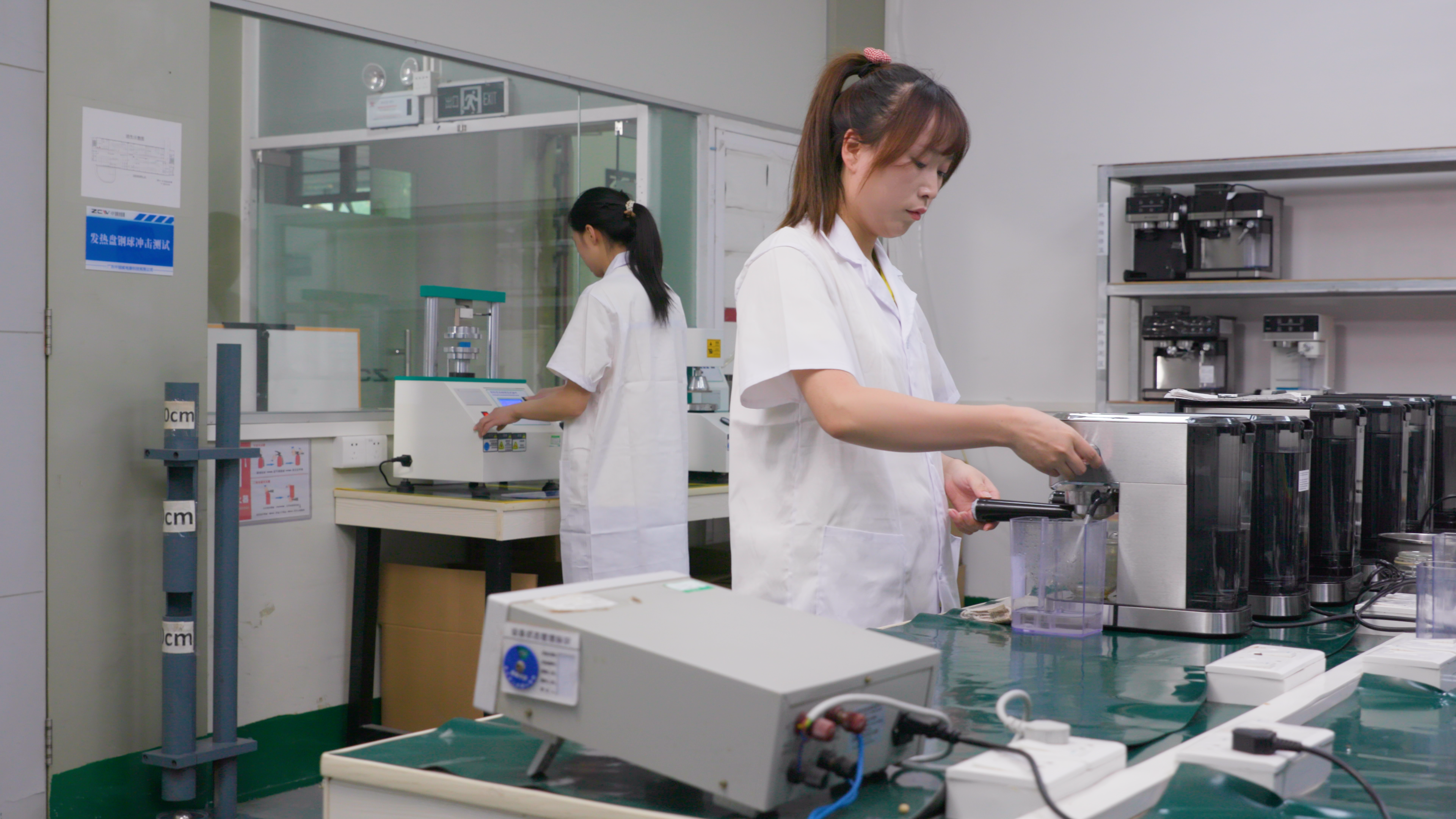
Determining the right production capacity for bulk orders is a critical strategic decision for any coffee machine manufacturer. As a coffee machine manufacturer grows and attracts large-scale commercial clients, the ability to fulfill substantial orders without compromising quality or delivery timelines becomes increasingly important. This challenge requires balancing capital investment in manufacturing infrastructure, workforce scalability, inventory management, and supply chain reliability. Understanding what production capacity a coffee machine manufacturer should offer directly impacts profitability, customer satisfaction, and competitive positioning in the commercial equipment market.
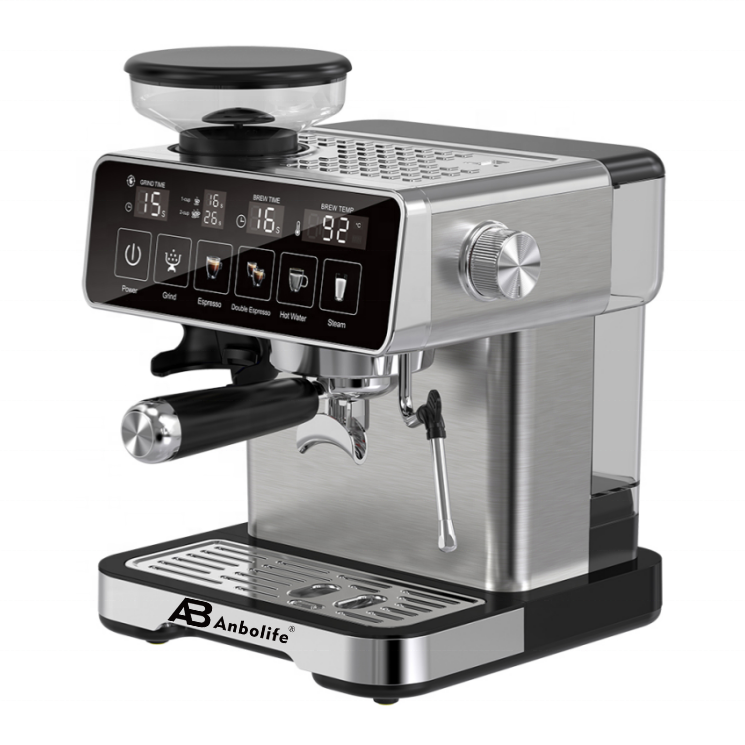
For a coffee machine manufacturer evaluating bulk order capacity, the first consideration is understanding market demand patterns and customer segments. Commercial cafes, restaurant chains, hospitality networks, and corporate offices represent different bulk order profiles. A coffee machine manufacturer must assess whether to build flexible capacity that adapts to fluctuating demand or invest in fixed capacity aligned with forecasted volume. This strategic choice shapes production scheduling, equipment investment, and operational complexity for the coffee machine manufacturer.
Assessing Market Demand and Order Profiles
Understanding Bulk Order Characteristics
Bulk orders from commercial clients differ fundamentally from individual consumer sales. A coffee machine manufacturer typically encounters orders ranging from 50 to 500 units per transaction from major hospitality operators or equipment distributors. These orders arrive seasonally—with peaks during expansion phases or holiday preparation periods—requiring a coffee machine manufacturer to forecast and allocate capacity strategically. Understanding order seasonality helps the coffee machine manufacturer determine whether to maintain higher baseline capacity or employ flexible staffing during peak demand periods.
Customer Segmentation and Capacity Planning
A coffee machine manufacturer must recognize that different customer segments have distinct capacity needs. National cafe chains typically place large orders quarterly, while equipment distributors may request consistent monthly volumes. Regional hospitality groups might demand rapid turnaround on moderate volumes. Each segment shapes how a coffee machine manufacturer allocates production lines, personnel, and supply chain resources. By segmenting customers and analyzing their order patterns, a coffee machine manufacturer can design capacity that balances utilization rates with responsiveness to customer requirements.
Production Capacity Range and Scalability
Establishing Baseline Production Capacity
Industry benchmarks suggest that a coffee machine manufacturer should establish baseline production capacity at 60–70% of maximum theoretical output. This approach allows a coffee machine manufacturer to handle 200–400 units monthly under standard conditions while maintaining quality control and equipment maintenance. A coffee machine manufacturer operating near 100% capacity continuously faces equipment breakdowns, quality defects, and workforce burnout. By intentionally maintaining capacity headroom, a coffee machine manufacturer protects customer relationships and product reputation during surge periods or unexpected demand spikes.
Scalability Mechanisms for Bulk Orders
A progressive coffee machine manufacturer must build scalability into operational design. Modular production lines allow a coffee machine manufacturer to activate additional capacity within 2–4 weeks by bringing backup equipment online or extending shift hours. Flexible workforce arrangements—cross-trained employees, temporary staffing partnerships, and overtime protocols—enable a coffee machine manufacturer to increase monthly output by 25–40% without permanent labor cost increases. Advanced planning agreements with bulk customers give a coffee machine manufacturer visibility to accommodate capacity buildout, ensuring the coffee machine manufacturer meets delivery commitments without operational strain.
Supply Chain and Quality Control Integration
Component Supply Alignment with Production Capacity
A coffee machine manufacturer cannot sustainably increase production capacity without securing parallel supply chain capability. Components like group heads, heating elements, pump assemblies, and control boards require lead times of 45–90 days, meaning a coffee machine manufacturer must forecast bulk demand accurately and place component orders well in advance. A coffee machine manufacturer that overshoots capacity without securing components faces missed deadlines and customer relations damage. Strategic supplier partnerships allow a coffee machine manufacturer to negotiate volume pricing and faster delivery, transforming capacity planning from a constraint into a competitive advantage.
Quality Assurance During Scaled Production
When a coffee machine manufacturer scales production to fulfill bulk orders, quality control becomes exponentially more complex. Testing each unit's pressure gauge calibration, water temperature stability, and espresso consistency requires systematic protocols that remain consistent across higher volumes. A coffee machine manufacturer should implement automated testing stations and digital quality logs to verify performance across expanded production runs. Investing in quality infrastructure upfront ensures that when a coffee machine manufacturer accepts bulk orders, the resulting products meet customer specifications and reduce warranty claims or returns that damage profitability and reputation.
Financial and Operational Considerations
Capital Investment and ROI for Capacity Expansion
Expanding production capacity requires substantial capital investment in machinery, facility space, and workforce training. A coffee machine manufacturer must evaluate whether bulk order opportunities justify this investment through improved margins and volume discounts. If a coffee machine manufacturer anticipates adding 100 units monthly capacity, equipment costs typically range from $150,000 to $300,000, payable through increased margins over 18–36 months. A coffee machine manufacturer should model different bulk order scenarios to ensure capacity expansion generates positive return on investment and doesn't create idle equipment if demand declines.
Workforce Planning and Skill Development
A coffee machine manufacturer's ability to deliver bulk orders depends directly on workforce capability. Hiring and training additional technicians takes 6–12 weeks, and retention challenges affect capacity stability. A coffee machine manufacturer should develop apprenticeship programs, cross-training initiatives, and competitive compensation to build a skilled workforce that can be scaled efficiently. When a coffee machine manufacturer cultivates internal talent and operational expertise, bulk order fulfillment becomes smoother and more profitable than relying on temporary labor. This workforce-first approach differentiates a coffee machine manufacturer in competitive markets.
FAQ
What is the typical production capacity for a mid-sized coffee machine manufacturer?
A mid-sized coffee machine manufacturer typically produces 250–500 espresso and commercial coffee units monthly at baseline capacity, with ability to surge to 600–800 units during peak seasons. This production range allows a coffee machine manufacturer to serve national hospitality chains while maintaining quality standards and equipment reliability without excessive overutilization.
How far in advance should a coffee machine manufacturer plan for bulk orders?
A coffee machine manufacturer should request bulk orders 90–120 days in advance to allow sufficient time for component procurement, production scheduling, and quality assurance. This timeline gives a coffee machine manufacturer adequate planning window to confirm capacity availability and secure necessary materials, reducing delivery risks and ensuring customer satisfaction on large-scale shipments.
Can a coffee machine manufacturer handle seasonal demand fluctuations without permanent capacity expansion?
Yes, a coffee machine manufacturer can manage seasonal variations through flexible staffing, shift extensions, temporary workforce partnerships, and advanced supplier agreements. This approach allows a coffee machine manufacturer to increase output 25–40% during peak periods without permanently expanding facilities or equipment, maximizing profitability while maintaining operational efficiency.


