 EN
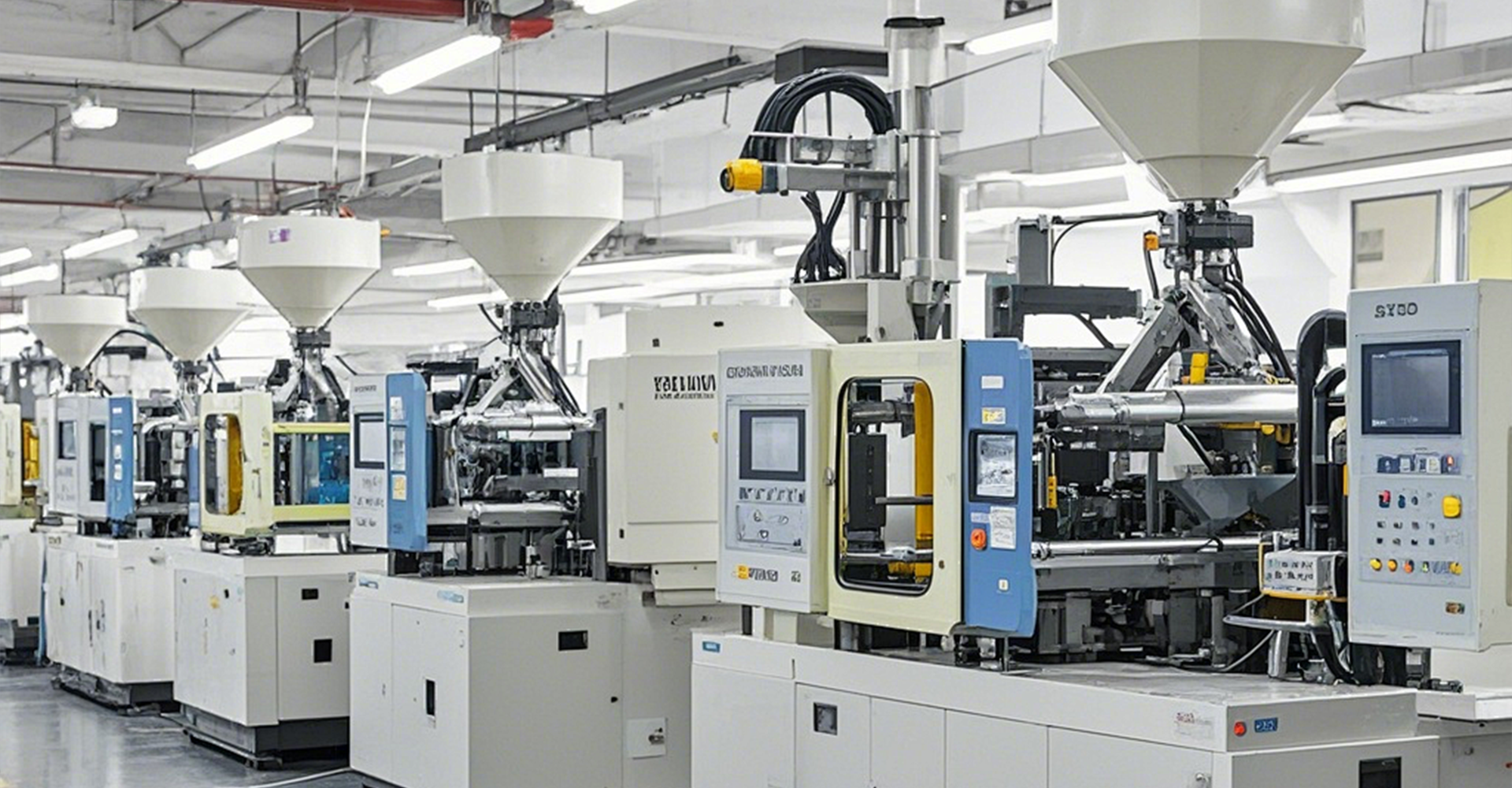
When sourcing products from a household appliance factory, understanding the quality management systems in place is critical to ensuring reliable, safe, and compliant products. Buyers often overlook the importance of verifying that their chosen household appliance factory maintains rigorous quality protocols throughout production. This oversight can lead to costly recalls, customer dissatisfaction, and reputational damage. A reputable household appliance factory implements comprehensive quality frameworks that protect both the manufacturer and the end consumer.
Evaluating a household appliance factory requires examining multiple dimensions of quality management, from raw material inspection to final product testing. The best manufacturers operate under internationally recognized standards and demonstrate transparency throughout their operations. Buyers should expect a household appliance factory to provide detailed documentation of certifications, testing results, and continuous improvement initiatives that reflect their commitment to excellence.
Core Quality Management Certifications
International Standards and Certifications
A qualified household appliance factory should hold ISO 9001 certification, which demonstrates compliance with international quality management requirements. This certification signifies that the household appliance factory has established documented procedures, maintains records, and conducts regular audits. Beyond ISO 9001, leading manufacturers in this sector pursue ISO 13849 for safety-related control systems and ISO 14001 for environmental management. Buyers should request proof of these certifications and verify their current status through official certification bodies. A household appliance factory without established certifications presents significant risk regarding product safety and regulatory compliance.
Product-Specific Safety Standards
Every household appliance factory must comply with specific safety standards relevant to their product category. For example, a household appliance factory manufacturing small kitchen appliances should meet IEC 60335 standards for electrical safety. Larger appliances require compliance with energy efficiency directives and local regulatory frameworks. The manufacturer should provide test reports from accredited laboratories confirming that products meet these mandatory requirements. A professional household appliance factory maintains continuous awareness of evolving regulations and updates their production processes accordingly to ensure ongoing compliance.
Production Process Quality Controls
Raw Material and Component Verification
An effective household appliance factory establishes strict supplier quality agreements and incoming material inspection procedures. Before components enter production, the household appliance factory should conduct dimensional checks, material composition verification, and functional testing on samples. Traceability systems within the household appliance factory enable rapid identification and isolation of defective batches. Documentation of material certificates, supplier qualifications, and test records should be readily available for buyer review. This foundational quality control prevents defective components from reaching the assembly line and ensures the final products meet design specifications.
In-Process Monitoring and Testing
Throughout production, a responsible household appliance factory implements Statistical Process Control and real-time monitoring systems to detect variations. Assembly technicians in a quality-focused household appliance factory undergo regular training and certification in proper assembly procedures. Checkpoints occur at critical stages to verify correct component placement, electrical connections, and mechanical alignment. A modern household appliance factory may employ automated optical inspection systems alongside manual verification. These in-process controls within the household appliance factory catch issues early, reducing scrap rates and preventing defective units from reaching final testing.
Final Testing and Quality Assurance
Comprehensive End-Product Testing
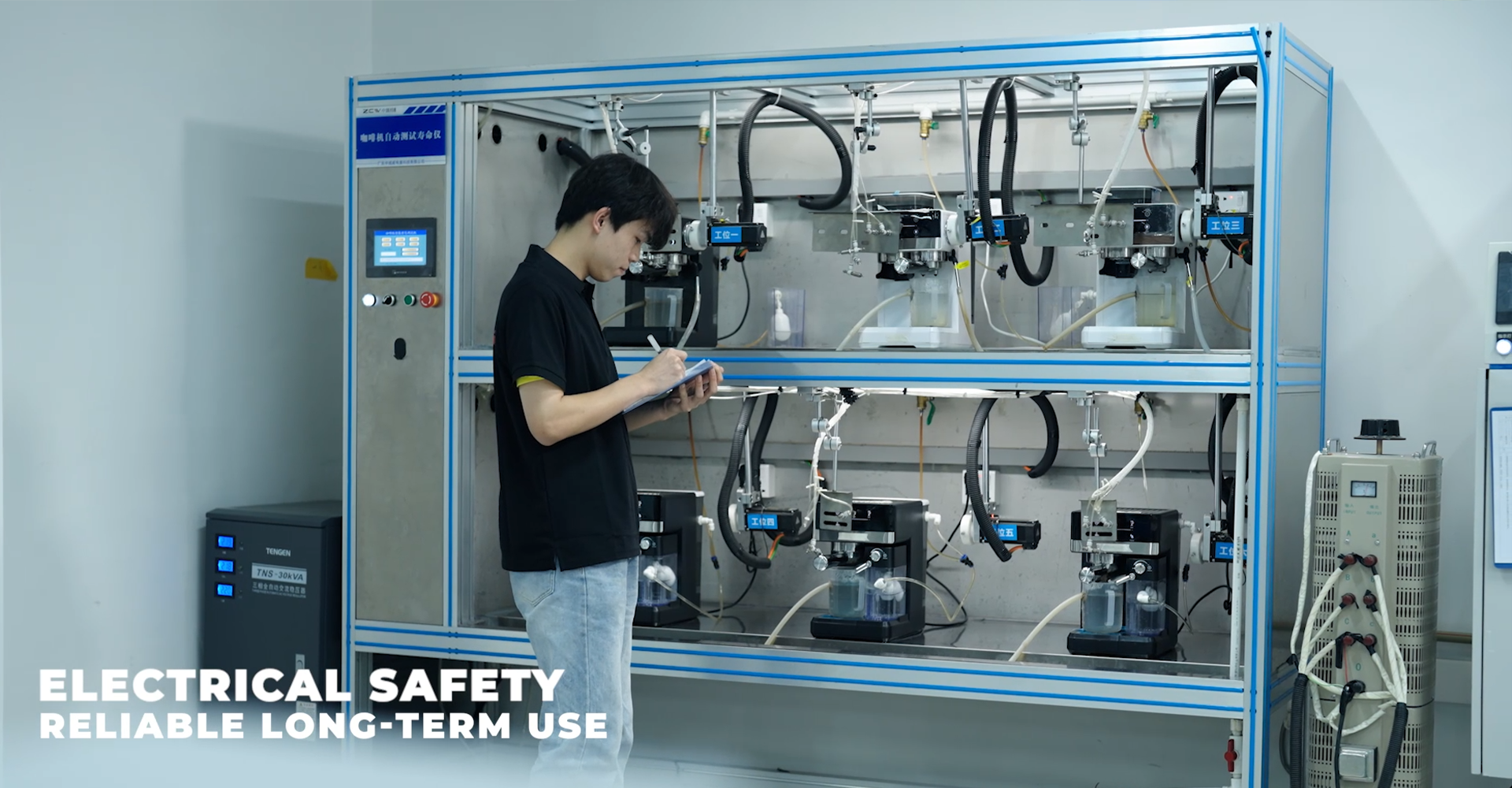
Before shipment, every product from a quality-conscious household appliance factory undergoes rigorous final testing. This includes functional performance tests, electrical safety validation, and stress testing under simulated real-world conditions. A household appliance factory maintaining high standards performs temperature cycling, vibration testing, and longevity assessments on sample units. Environmental testing ensures that products function correctly across temperature and humidity ranges specified for their intended markets. Documentation from the household appliance factory should include test protocols, equipment calibration records, and results demonstrating consistent pass rates.
Continuous Improvement and Traceability Systems
A mature household appliance factory implements root cause analysis for any detected defects and establishes corrective action procedures. Quality metrics tracked by the household appliance factory include defect rates, first-pass yield, and warranty claims analysis. Management reviews within the household appliance factory assess performance trends and identify opportunities for process enhancement. Complete traceability systems allow the household appliance factory to track production batches to individual serial numbers, enabling rapid recalls if necessary. household appliance factory operations that embrace continuous improvement demonstrate their commitment to delivering increasingly reliable products to market.
FAQ
What documentation should buyers request from a household appliance factory?
Buyers should request ISO certification copies, test reports from accredited laboratories, material certifications from suppliers, production process documentation, and quality metrics reports. Traceability records showing batch numbers and serial numbers provide confidence in the ability to manage recalls if needed. A transparent household appliance factory willingly provides these documents and encourages on-site audits to verify compliance.
How can buyers verify that a household appliance factory maintains adequate quality systems?
Third-party audits and factory inspections provide direct verification of quality systems. Buyers can engage independent auditors to assess documentation, interview personnel, and observe production processes. Requesting references from existing customers and reviewing warranty claim patterns offer additional insight. A household appliance factory that scores well across multiple verification methods demonstrates genuine commitment to quality rather than superficial compliance.
What are the financial consequences of inadequate quality management in a household appliance factory?
Poor quality from a household appliance factory results in high warranty costs, product recalls, regulatory fines, and loss of customer trust. Supply chain disruptions from sudden recalls damage brand reputation permanently in competitive markets. Conversely, investing in verification upfront prevents these costly scenarios, making quality management systems a sound business investment rather than an unnecessary expense.


