 EN
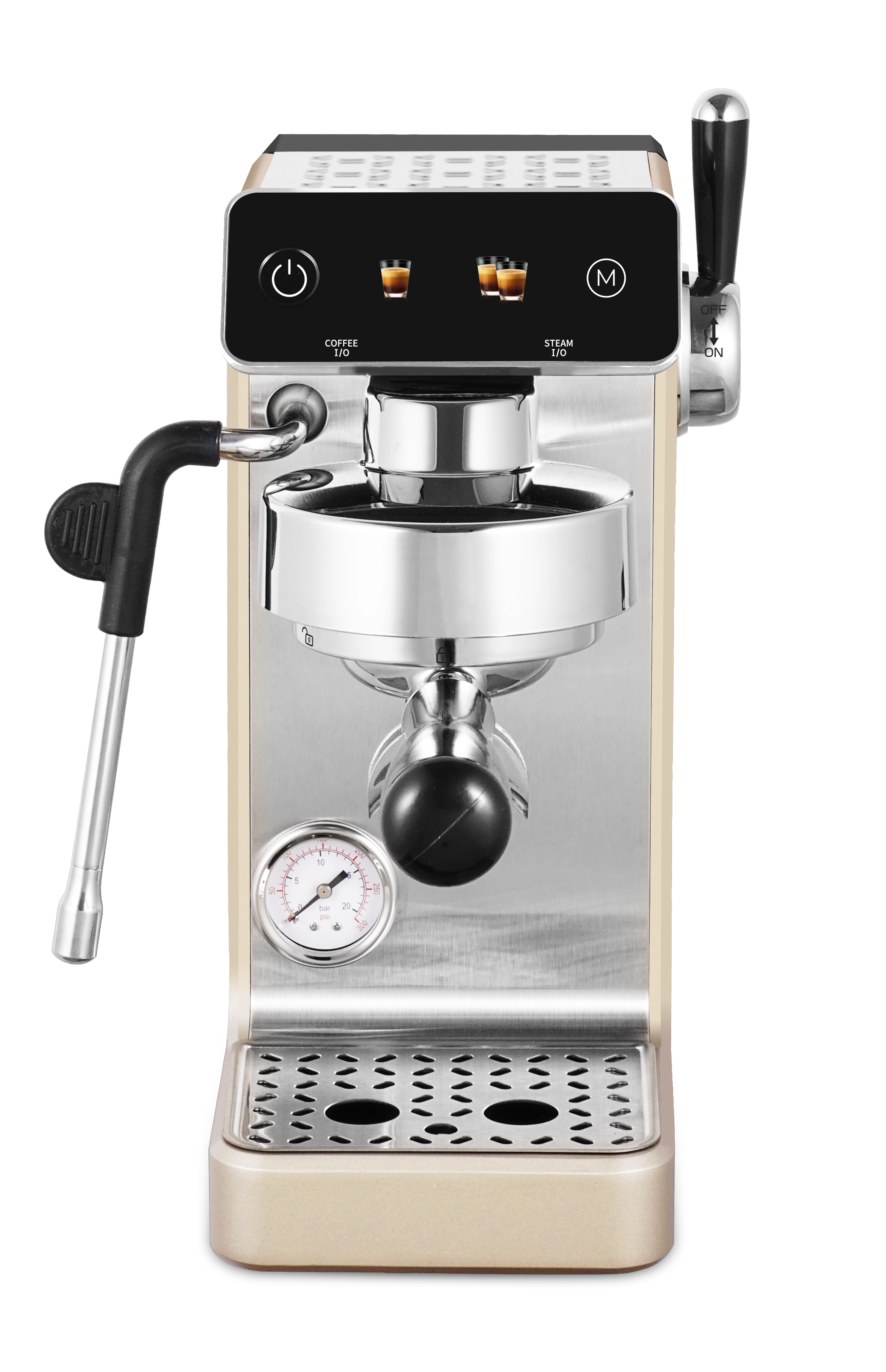
A successful coffee machine manufacturer understands that global markets are not uniform. Every region has distinct preferences, consumption patterns, regulatory frameworks, and infrastructure capabilities that demand thoughtful product adaptation. A coffee machine manufacturer operating internationally must balance standardization for cost efficiency with customization to meet local expectations. This flexibility separates leading brands from competitors struggling to maintain market relevance across diverse geographies. The ability to adjust product specifications, features, and design without abandoning core quality standards represents a fundamental competitive advantage in the specialized appliance sector.
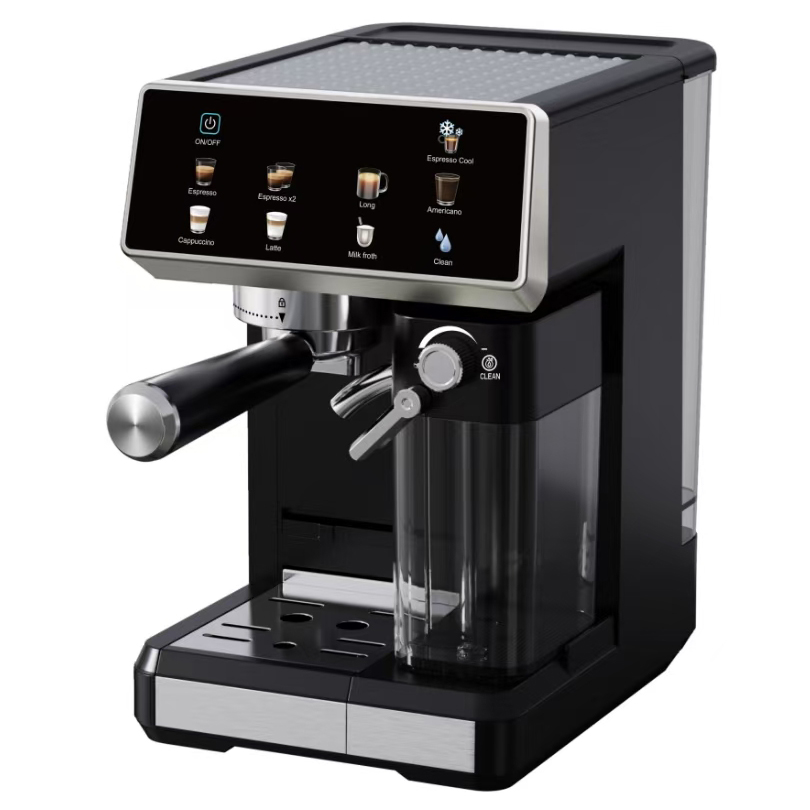
Understanding market-specific requirements is not optional for a coffee machine manufacturer seeking sustainable growth. Consumer preferences shaped by climate, cultural rituals, income levels, and existing beverage habits create distinct product needs across regions. A coffee machine manufacturer must invest in market research, maintain agile supply chains, and develop modular product architectures that permit efficient localization. This strategic approach enables the organization to serve North American consumers, European enthusiasts, Asian emerging markets, and Middle Eastern customers simultaneously while maintaining operational efficiency and brand consistency.
Understanding Regional Coffee Culture and Consumer Preferences
How Coffee Consumption Patterns Shape Product Requirements
Every coffee machine manufacturer recognizes that consumption rituals vary dramatically across geographies. In Nordic countries, filter coffee remains the dominant preparation method, making a coffee machine manufacturer's portfolio heavily weighted toward drip machines and batch brewers. Conversely, Italian markets demand espresso machines with superior pressure consistency, crema quality, and milk frothing capabilities. A coffee machine manufacturer targeting the United States must address the preference for large-volume, quick-brewing solutions suitable for busy mornings. Middle Eastern markets prioritize traditional Turkish coffee and small, concentrated brewing methods. A coffee machine manufacturer failing to account for these preferences will produce machines misaligned with local demand, resulting in poor sales velocity and customer dissatisfaction.
Income Levels and Price Segmentation Strategy
A coffee machine manufacturer must develop tiered product offerings reflecting regional purchasing power. North American and Western European consumers often accept premium pricing for advanced features, sustainability credentials, and aesthetic design. A coffee machine manufacturer serving these markets can justify higher margins through technological innovation and brand positioning. In contrast, emerging Asian markets demand affordable entry-level machines with essential functionality and reliable build quality. A coffee machine manufacturer operating across income segments must design modular components allowing product variants without excessive tooling costs. Engineering flexibility enables the manufacturer to adjust material grades, feature sets, and construction methods while maintaining brand identity and quality standards across all price tiers.
Technical and Regulatory Adaptation Requirements
Electrical Standards and Safety Compliance
Every region enforces distinct electrical safety standards, voltage specifications, and certification requirements. A coffee machine manufacturer selling in Europe must comply with CE marking standards and IEC electrical safety directives. North American markets demand UL or NSF certification and compliance with specific voltage (120V, 60Hz) and cord specifications. A coffee machine manufacturer entering Asian markets faces varying power standards, from 220V/50Hz in most countries to unique regional requirements. Beyond basic voltage adaptation, a coffee machine manufacturer must redesign heating elements, circuit boards, and safety mechanisms to meet local electrical codes. Failing to address these technical requirements prevents market entry entirely, as retailers and consumers depend on proper certification. This regulatory complexity demands a coffee machine manufacturer maintain technical expertise spanning multiple compliance frameworks and certification processes.
Water Quality, Hardness, and Filtration Considerations
Water composition significantly influences both product performance and customer satisfaction. A coffee machine manufacturer in regions with very hard water must design machines featuring robust descaling systems and water hardness compensation mechanisms. Scandinavian countries with soft water require different mineral balance approaches than Mediterranean regions where limestone deposits accumulate rapidly. A coffee machine manufacturer must engineer systems accommodating local water chemistry without requiring excessive maintenance. Some regions demand integrated water filtration systems, while others accept simpler designs relying on user-maintained filter cartridges. A coffee machine manufacturer adapting to water quality variations increases product longevity and reduces support costs. This adaptation also prevents performance complaints from customers unaware that their local water differs from test conditions used during product development in the manufacturer's home country.
Design, Features, and User Experience Localization
Aesthetic Preferences and Kitchen Integration
A coffee machine manufacturer must recognize that design preferences reflect cultural values and interior design traditions. Scandinavian and German markets favor minimalist, stainless steel aesthetics emphasizing functionality and sustainability. Italian consumers expect more elaborate, visually prominent designs reflecting the cultural importance of espresso preparation. A coffee machine manufacturer for North American markets increasingly addresses sustainability concerns through durable, timeless design that justifies premium pricing. Asian markets often demand compact, space-efficient designs accommodating smaller kitchens and countertops. A coffee machine manufacturer succeeding globally maintains core design language while permitting regional variations in finishes, control interfaces, and feature prominence. This balance allows brand recognition across markets while respecting local aesthetic expectations and kitchen design norms.
Interface Language, Controls, and User Accessibility
A coffee machine manufacturer designing machines with digital interfaces must provide localized language options reflecting each market's primary and secondary languages. Control panel logic, menu navigation, and instruction displays require adaptation beyond simple translation. A coffee machine manufacturer targeting multiple Asian markets faces particular complexity, as Chinese, Japanese, Korean, and Southeast Asian languages demand distinct character sets and display adaptations. Regulatory requirements in some regions mandate specific information visibility or warning presentations. A coffee machine manufacturer must also consider accessibility requirements for aging populations in developed markets, where larger displays and simplified controls become essential features. User manuals, warranty documentation, and customer support materials must align with local language and cultural communication standards. These localization efforts significantly influence customer satisfaction and brand perception across diverse markets.
Supply Chain and Manufacturing Flexibility
Component Sourcing and Manufacturing Hub Strategy
A coffee machine manufacturer maintaining global competitiveness requires strategic manufacturing and sourcing decisions. Establishing regional manufacturing hubs or partnering with local producers enables a coffee machine manufacturer to reduce shipping costs, navigate tariff structures, and respond quickly to local demand fluctuations. A coffee machine manufacturer may source commodity components globally while reserving specialized parts for central production facilities. Local sourcing also builds political goodwill and supports supply chain resilience. Some regions impose local content requirements or offer tariff incentives favoring regional manufacturing. A coffee machine manufacturer must evaluate where to build full assembly lines versus import completed units, balancing capital investment against operational flexibility. Modular product architecture allows a coffee machine manufacturer to assemble regional variants from standardized components, reducing inventory complexity while maintaining product diversity.
Quality Control and Warranty Adaptation
A coffee machine manufacturer must calibrate quality control processes and warranty offerings reflecting regional expectations and infrastructure realities. Developed markets demand extended warranties and rapid replacement or repair services. A coffee machine manufacturer cannot operate efficiently with identical warranty terms globally, as service infrastructure, parts availability, and labor costs vary dramatically. Some regions feature robust repair ecosystems where a coffee machine manufacturer partners with local technicians, while others require centralized service centers. A coffee machine manufacturer must develop tiered quality metrics and accelerated failure testing appropriate for each market's climate, water conditions, and usage patterns. Warranty terms, repair options, and customer support responsiveness must reflect regional standards and competitive norms. This localization prevents customer dissatisfaction while maintaining sustainable service economics.
FAQ
What specific features should a coffee machine manufacturer prioritize for European markets versus Asian markets?
A coffee machine manufacturer targeting Europe should emphasize energy efficiency, sustainability certifications, and espresso quality with milk frothing capabilities reflecting Italian coffee culture influence. Advanced controls, water hardness adjustment, and descaling systems address the region's premium expectations and water quality variations. For Asian markets, a coffee machine manufacturer should prioritize compact design for space-constrained kitchens, ease of cleaning, and affordable entry-level models. Features should accommodate both traditional preparation methods and modern convenience, with multilingual interfaces reflecting diverse linguistic requirements. A coffee machine manufacturer may offer different feature sets across these regions while maintaining brand recognition through consistent quality and reliable performance standards.
How does a coffee machine manufacturer navigate conflicting regulatory standards across different countries?
A coffee machine manufacturer must maintain compliance expertise spanning regional regulatory frameworks including CE marking for Europe, UL certification for North America, and specific Asian market requirements. Many manufacturers employ dedicated compliance teams or partner with certification bodies understanding local regulations. A coffee machine manufacturer typically designs core platforms meeting the most stringent requirements, then adds regional modifications ensuring compliance without full redesign. Maintaining certification documentation, conducting regular audits, and staying informed of regulatory changes protects the manufacturer from costly recalls or market access delays. Working with regulatory consultants early in product development enables a coffee machine manufacturer to anticipate compliance needs rather than retrofitting solutions after completion.
How can a coffee machine manufacturer balance cost efficiency with product customization across multiple markets?
A coffee machine manufacturer achieves this balance through modular product architecture, standardized components, and strategic customization of visible elements and regional features. Designing core mechanics and electrical systems as universal platforms allows a coffee machine manufacturer to produce variations efficiently. Regional customization focuses on heating element specifications, control interfaces, housing colors, and feature emphasis while maintaining consistent internal architectures. A coffee machine manufacturer uses regional manufacturing hubs or local assembly partnerships reducing shipping costs and tariff exposure. Standardized procurement across variants reduces complexity while modular design permits efficient production across different SKUs. By concentrating development investment on scalable component platforms, a coffee machine manufacturer achieves market diversity without proportional cost multiplication, maintaining profitability across price segments and geographies.
Table of Contents
- Understanding Regional Coffee Culture and Consumer Preferences
- Technical and Regulatory Adaptation Requirements
- Design, Features, and User Experience Localization
- Supply Chain and Manufacturing Flexibility
-
FAQ
- What specific features should a coffee machine manufacturer prioritize for European markets versus Asian markets?
- How does a coffee machine manufacturer navigate conflicting regulatory standards across different countries?
- How can a coffee machine manufacturer balance cost efficiency with product customization across multiple markets?


