 EN
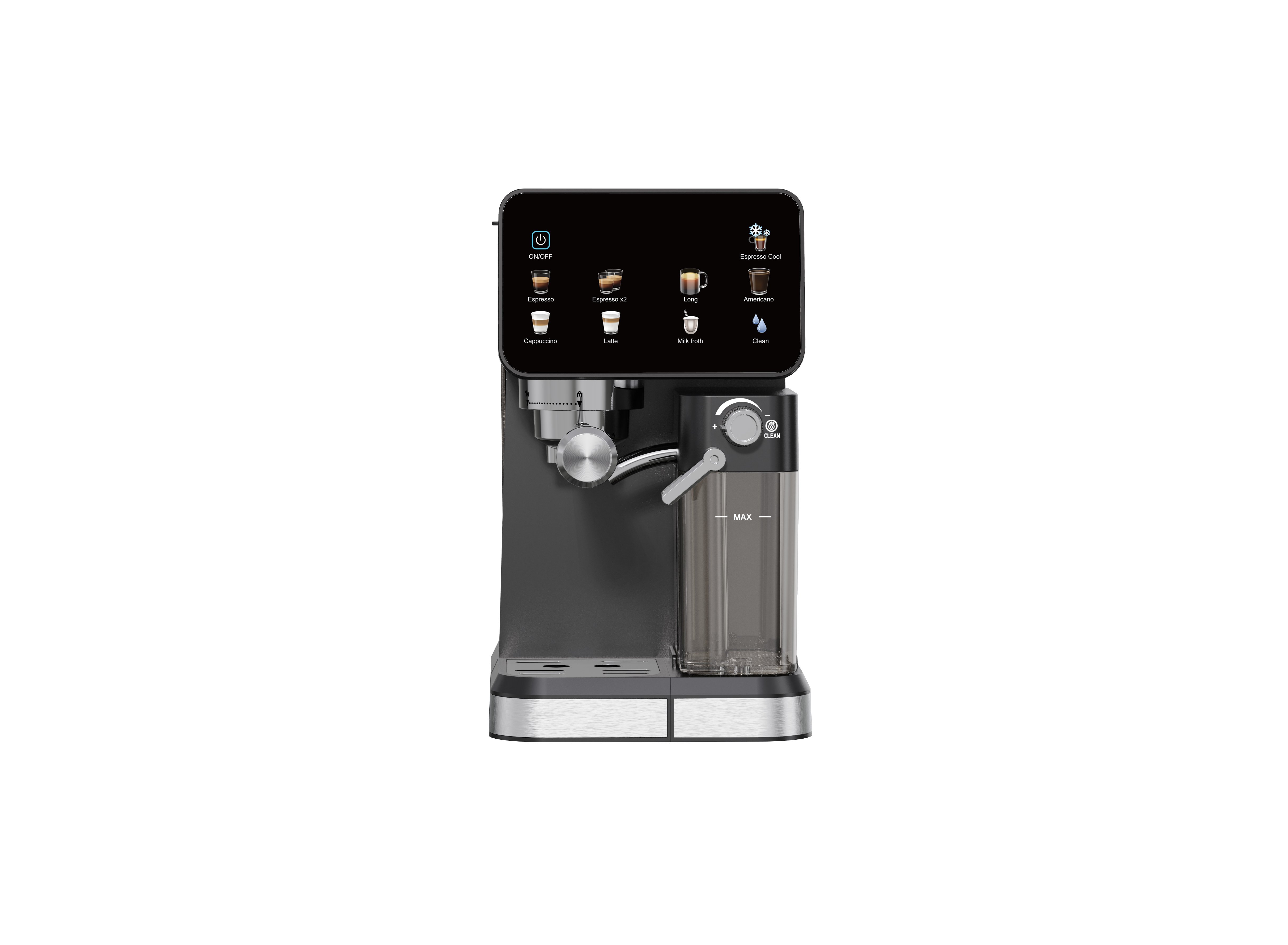
Purchasing espresso machines, commercial brewers, or grinders from a coffee machine manufacturer represents a significant investment for cafes, restaurants, and specialty beverage operations. Before committing to any coffee machine manufacturer, buyers must understand the quality control procedures that separate reliable producers from those cutting corners. A reputable coffee machine manufacturer implements rigorous testing protocols throughout design, production, assembly, and final inspection phases to ensure every unit meets performance, safety, and durability standards. This article explores the essential quality control procedures that buyers should expect from any professional coffee machine manufacturer worthy of partnership.
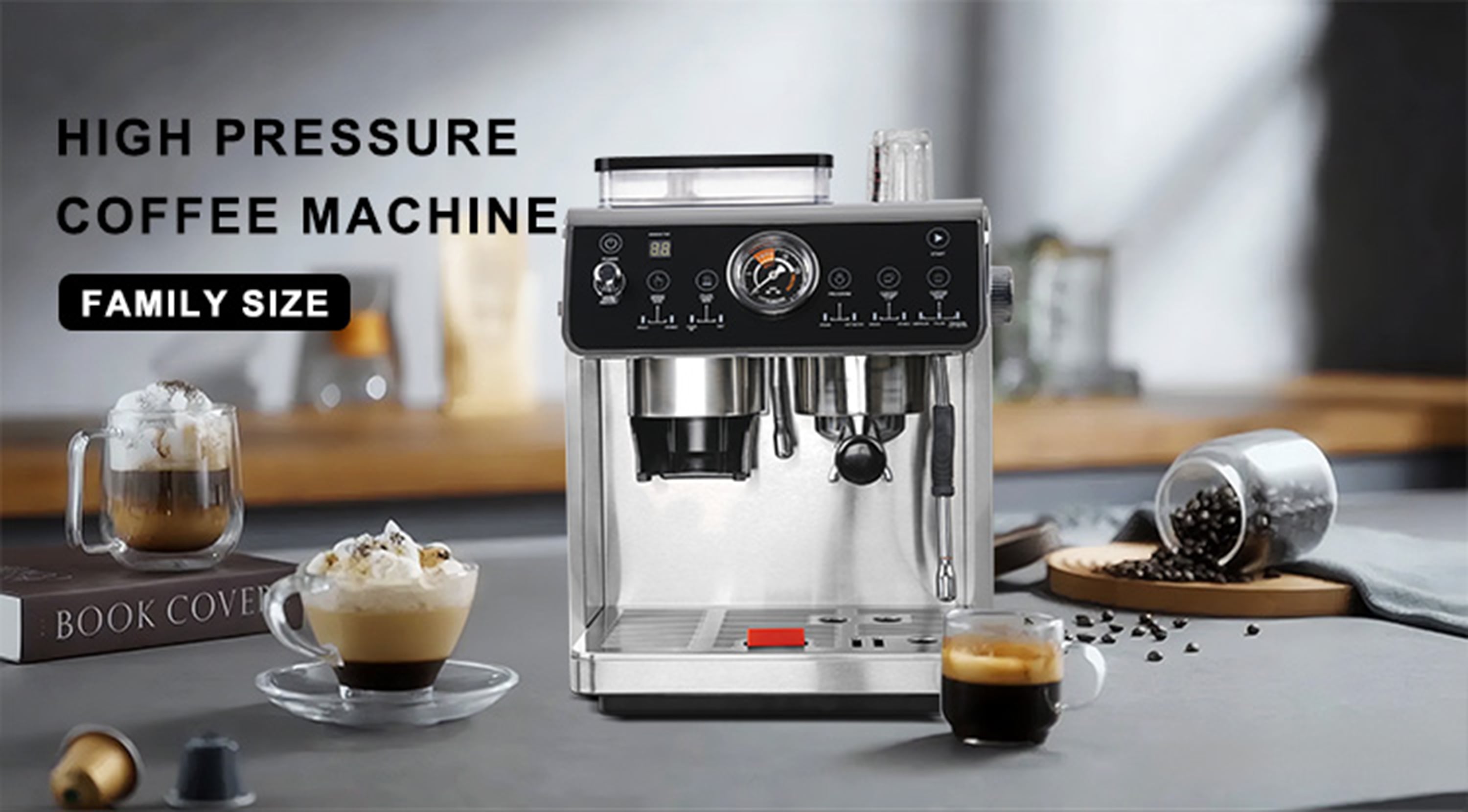
The distinction between amateur equipment suppliers and a professional coffee machine manufacturer often comes down to documented quality assurance frameworks. Quality control is not a single checkpoint at the end of production, but rather an integrated system spanning material sourcing, component verification, assembly supervision, pressure testing, and post-production validation. Buyers who understand these procedures gain confidence that their equipment will perform consistently, minimize downtime, and deliver reliable service throughout its operational life. Understanding what a coffee machine manufacturer should implement helps you ask the right questions and evaluate manufacturers objectively.
Material and Component Verification Standards
Supplier Quality Management
A reliable coffee machine manufacturer does not simply accept raw materials and components from any available vendor. Instead, professional manufacturers maintain approved supplier lists and conduct regular audits of their material partners. The coffee machine manufacturer should verify that all incoming materials, including stainless steel bodies, heating elements, pump assemblies, and electronic controls, meet specified grades and tolerances before they enter production. This upstream quality control prevents defective components from ever reaching assembly lines.
Incoming Material Testing
Every batch of critical materials arriving at the coffee machine manufacturer should undergo documented testing. Stainless steel stock must be verified for corrosion resistance, pressure vessels require thickness measurement and integrity checks, and electrical components need certification verification. The coffee machine manufacturer that maintains laboratory testing equipment and trained personnel demonstrates commitment to catching material defects early. Documentation of these tests should be traceable to specific production batches, allowing the coffee machine manufacturer to identify and quarantine affected units if an issue emerges later.
Production and Assembly Process Control
Standardized Assembly Procedures
Professional quality control at a coffee machine manufacturer includes written assembly procedures that every technician must follow precisely. The coffee machine manufacturer should define torque specifications for fasteners, calibration settings for pressure components, and installation sequences for complex subassemblies. Deviation from these standards compromises performance and safety, so a responsible coffee machine manufacturer trains all assembly personnel and conducts periodic audits to verify compliance. Standard Work documentation ensures consistency across shifts and production batches, which is a hallmark of a mature coffee machine manufacturer.
In-Process Inspection Points
Rather than waiting until assembly completion, an organized coffee machine manufacturer embeds inspection stations throughout the production line. Quality checkpoints occur after critical steps such as welding, pressure vessel assembly, pump installation, and electrical wiring. Inspectors at each stage verify dimensions, alignment, component function, and safety features before the unit moves forward. This in-process approach by a diligent coffee machine manufacturer prevents wasted labor on machines that will fail final testing, and allows identification of process issues before affecting dozens of units.
Final Testing and Validation Protocols
Pressure and Performance Testing
Before shipment, every espresso machine or brewing unit from a competent coffee machine manufacturer must undergo comprehensive pressure testing. The coffee machine manufacturer runs each machine under full operating pressure for extended periods to verify pump performance, heating stability, and pressure gauge accuracy. Water flow rate, temperature consistency, and extraction uniformity must all meet specification. A rigorous coffee machine manufacturer documents pressure test results for every individual unit, creating a record that validates performance at the moment of manufacture. Testing typically includes both normal operation and stress conditions to simulate real-world use.
Safety and Electrical Verification
Every coffee machine manufacturer serving commercial markets must verify compliance with electrical safety standards and regulations applicable to their region. Electrical circuits are tested for proper grounding, insulation integrity, and component function. Safety devices such as pressure relief valves, thermal cutoffs, and emergency shutoffs are activated and confirmed operational. The coffee machine manufacturer validates that all exposed metal parts are properly grounded and that no hazardous voltages are accessible to operators. Independent certification from recognized testing bodies often accompanies shipment from a professional coffee machine manufacturer.
Cosmetic and Finish Standards
Final visual inspection ensures that every unit leaving the coffee machine manufacturer meets aesthetic standards alongside functional ones. The coffee machine manufacturer checks for dents, scratches, corrosion, discoloration, or welding defects that could undermine appearance or durability. Surfaces are cleaned thoroughly, decals are applied correctly, and protective packaging is inspected. While cosmetic quality matters less than function, a professional coffee machine manufacturer recognizes that appearance reflects on their reputation and customer perception of value.
Documentation and Traceability Systems
Serial Number Tracking
A responsible coffee machine manufacturer assigns unique serial numbers to every unit and maintains digital records linking each machine to its component batch, assembly date, technician, test results, and quality checkpoints. This traceability allows the coffee machine manufacturer to investigate issues, perform targeted recalls if necessary, and identify process trends. If a particular component batch demonstrates higher failure rates, the coffee machine manufacturer can quickly identify all affected machines in the field. Comprehensive traceability distinguishes a mature coffee machine manufacturer from a casual producer.
Quality Metrics and Continuous Improvement
Professional coffee machine manufacturer operations track key quality metrics such as defect rates, warranty claim frequencies, test failure percentages, and customer complaints. The coffee machine manufacturer uses this data to identify recurring problems and implement process improvements. Regular review meetings assess whether the coffee machine manufacturer's current procedures are effective and identify opportunities for enhancement. This commitment to measurement and continuous improvement reflects a company culture where quality is valued as a core business priority, not merely a compliance requirement. A thoughtful coffee machine manufacturer shares quality performance data with key customers, demonstrating transparency.
FAQ
What certifications should I verify from a coffee machine manufacturer?
A credible coffee machine manufacturer should hold certifications from electrical safety bodies such as UL, CE, or CSA depending on their market region. ISO 9001 certification indicates a structured quality management system. Additionally, the coffee machine manufacturer should comply with food and beverage equipment standards specific to their country or regions where they sell. Ask the coffee machine manufacturer for copies of these certifications and verify their current status directly with issuing bodies when necessary.
How can I verify quality control procedures before purchasing?
Request factory tours, documentation of testing procedures, and quality metric data from the coffee machine manufacturer. A confident coffee machine manufacturer welcomes detailed questions about their processes and provides transparent answers. Ask the coffee machine manufacturer about warranty terms, return policies, and how they handle defective units. Speaking with existing customers of the coffee machine manufacturer reveals real-world satisfaction with quality. A reputable coffee machine manufacturer can provide references without hesitation.
What warranty terms indicate strong quality confidence from a manufacturer?
A coffee machine manufacturer confident in their quality typically offers comprehensive warranties covering parts and labor for 1-3 years on new equipment. Extended warranty availability signals that the coffee machine manufacturer believes in machine longevity. Quick response times and hassle-free replacement policies show the coffee machine manufacturer stands behind their product. Be cautious of any coffee machine manufacturer offering only limited warranty or imposing restrictive conditions that exclude common wear items.


