 EN
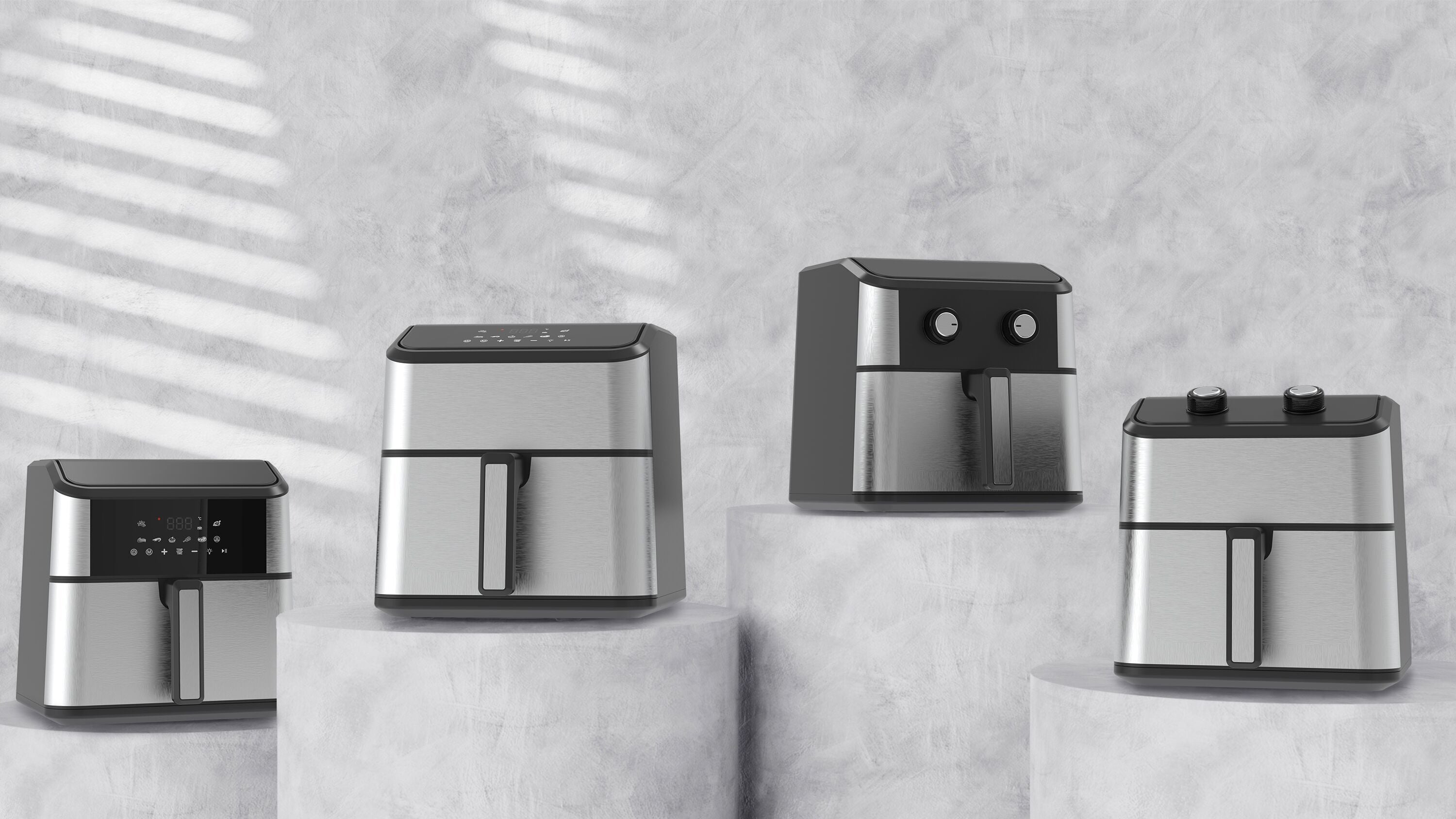
A household appliance factory serving original equipment manufacturer (OEM) orders represents one of the most complex operational models in modern manufacturing. Global retail chains depend on specialized household appliance factory operations to deliver consistent product quality, meet aggressive timelines, and maintain cost competitiveness across international markets. Understanding how a household appliance factory manages these demands reveals the intricate coordination required between design engineering, production scheduling, quality assurance, and supply chain logistics.
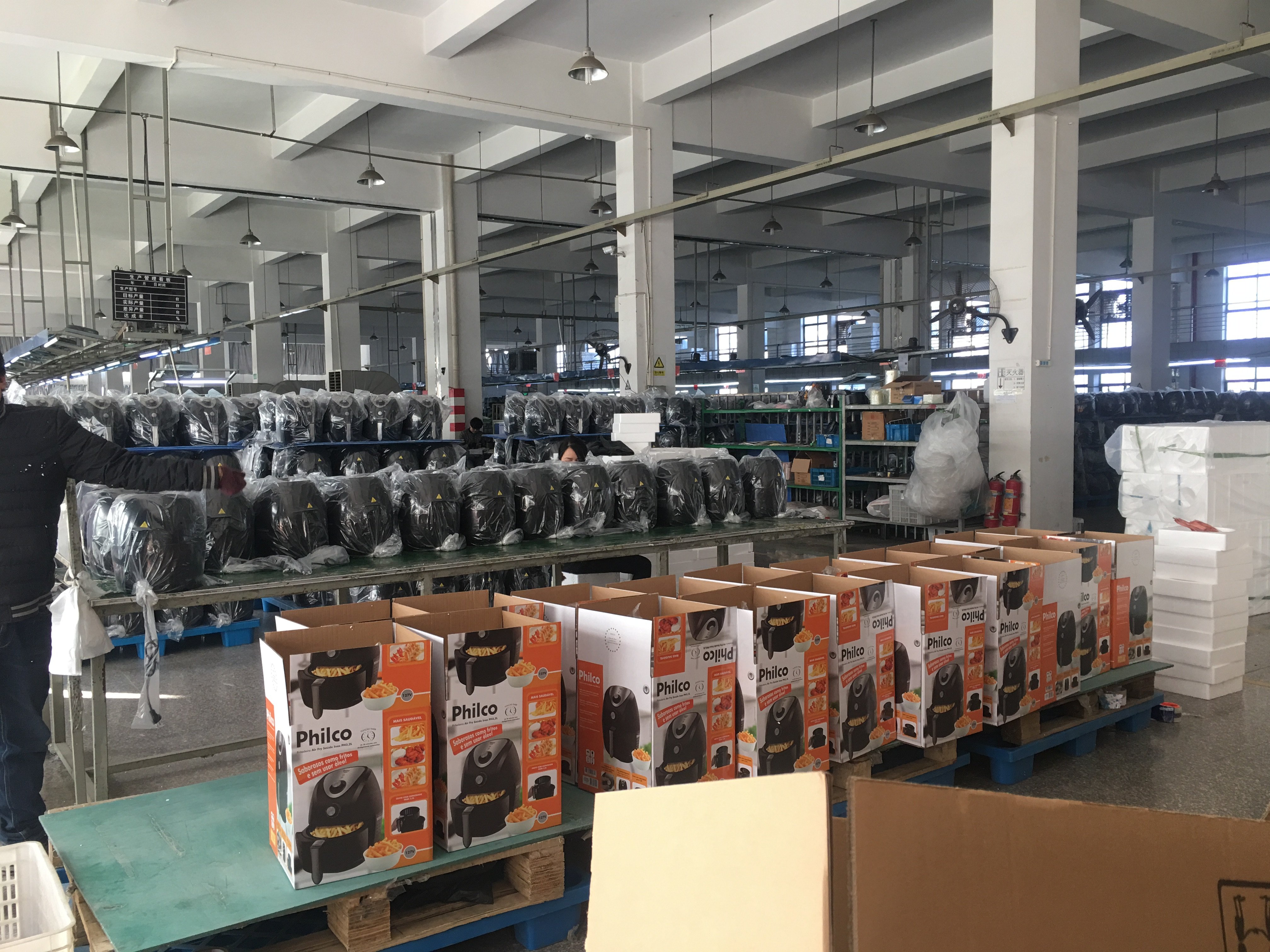
The foundation of any successful household appliance factory handling OEM orders is its ability to scale production without compromising quality or reliability. Retail chains ordering appliances in high volumes expect the household appliance factory to deliver products that meet exact specifications, regulatory certifications, and performance standards across every batch. This requires more than just manufacturing capacity; it demands precision engineering, adaptive process controls, and a workforce trained to execute consistent production protocols under pressure.
Production Capacity Planning and Supply Chain Coordination
Forecasting and Capacity Management
A household appliance factory must develop sophisticated demand forecasting models to anticipate OEM orders from global retail chains. The household appliance factory typically works with retailers months in advance to understand seasonal demand, new product launches, and market expansion plans. This advance notice allows the household appliance factory to secure raw materials, schedule labor, and allocate production line capacity strategically. Without proper forecasting, a household appliance factory risks either over-investing in idle capacity or failing to meet delivery deadlines, both scenarios damaging client relationships and profitability.
The household appliance factory must maintain flexible production scheduling to accommodate order fluctuations. Peak seasons demand that the household appliance factory operate multiple shifts, hire temporary workers, and potentially utilize contract manufacturers for overflow capacity. A well-managed household appliance factory builds relationships with secondary suppliers and manufacturing partners to ensure continuity when primary production lines reach saturation. This buffer capacity prevents the household appliance factory from turning away orders or delivering late shipments that disrupt retail chain inventory plans.
Raw Material and Component Sourcing
The household appliance factory depends on reliable sourcing of critical components and raw materials to maintain production continuity. Steel, plastics, motors, electrical components, and specialized hardware must be ordered months ahead to ensure availability when production ramps up. A household appliance factory typically maintains multiple supplier relationships to mitigate supply chain risk and negotiate competitive pricing. The household appliance factory also implements just-in-time inventory strategies to balance capital efficiency with sufficient buffer stock to prevent production delays.
Quality Control and Regulatory Compliance
Manufacturing Standards and Testing Protocols
Global retail chains require that every household appliance factory maintain rigorous quality control throughout the production process. The household appliance factory must implement in-process testing, final assembly inspections, and performance validation before units leave the facility. Each household appliance factory handling OEM orders typically achieves ISO 9001 certification and adheres to international safety standards specific to appliance categories, such as UL, CE, or RoHS compliance. These standards ensure that the household appliance factory produces appliances safe for consumer use across diverse regulatory environments.
The household appliance factory invests in automated testing equipment and trained quality technicians to catch defects early. Statistical process control methods allow the household appliance factory to identify process drift before it produces out-of-spec products. A household appliance factory operating at best practice maintains quality documentation, traceability records, and failure analysis protocols. When issues arise, the household appliance factory can quickly isolate affected batches and implement corrective actions, protecting both consumer safety and retail chain reputation.
Continuous Improvement and Certifications
The household appliance factory pursuing long-term OEM partnerships invests in continuous improvement programs that reduce defect rates and enhance efficiency. Lean manufacturing principles, six sigma methodologies, and kaizen practices enable the household appliance factory to eliminate waste, reduce cycle times, and improve product consistency. A household appliance factory implementing these systems demonstrates commitment to operational excellence and earns trust from retail partners. Third-party audits and recertification processes validate that the household appliance factory maintains standards, providing confidence that quality does not deteriorate over time.
Logistics, Packaging, and Market Delivery
Distribution and Shipping Logistics
Once completed, appliances leave the household appliance factory through carefully managed logistics networks designed to minimize damage and delay. The household appliance factory typically works with freight forwarders and logistics partners to arrange ocean shipping, air transport, or ground delivery depending on urgency and cost constraints. A household appliance factory coordinating global shipments must manage customs documentation, tariff classifications, and import regulations across destination countries. Effective logistics reduce time-to-market and ensure that retail chains receive inventory when needed for promotional periods or seasonal demand peaks.
The household appliance factory designs packaging specifically to protect products during transport while maintaining cost efficiency. Heavy appliances require robust crating, shock-absorbing materials, and moisture protection to survive multi-week ocean voyages. A household appliance factory often imprints retail branding, barcodes, and regulatory labels directly during packaging to streamline retailer receiving and shelf-stocking processes. This value-added service differentiates the household appliance factory and reduces retailer handling costs.
Order Fulfillment and Responsiveness
The household appliance factory maintaining strong OEM relationships must demonstrate responsiveness to urgent orders and special requests. Rush orders arriving with short lead times require that the household appliance factory reprioritize production schedules and expedite shipments. A professional household appliance factory establishes clear communication channels and escalation procedures so retailers can track order status and resolve issues promptly. This responsiveness builds confidence and encourages retailers to expand order volumes and introduce new appliance categories to trusted household appliance factory partners.
FAQ
What volume commitments does a household appliance factory typically require from OEM clients?
Most household appliance factory operations require minimum order quantities ranging from several thousand units per product model to qualify for competitive pricing. A household appliance factory invests in production line setup, quality certifications, and supply chain coordination, so smaller orders become economically unviable. However, a household appliance factory may negotiate lower minimums for long-term partnerships or seasonal commitments. Clear volume expectations allow the household appliance factory to plan capacity and raw material purchases efficiently.
How does a household appliance factory handle design modifications or customizations requested by retailers?
A household appliance factory typically manages design modifications through formal engineering change orders that document new specifications, tooling requirements, and impact on lead times and costs. The household appliance factory assesses whether changes require new molds, dies, or assembly fixtures, which increases setup time and upfront investment. A professional household appliance factory maintains design flexibility to support retailer branding, feature additions, or market-specific customizations while protecting product quality and manufacturability.
What happens if a household appliance factory cannot meet a scheduled delivery deadline?
A household appliance factory experiencing production delays or supply chain disruptions must immediately notify retail partners and develop mitigation plans. Options may include partial shipments to maintain some inventory flow, premium freight to accelerate delivery, or temporary substitution with similar models already in stock. A household appliance factory maintaining transparency and proactive communication helps retailers adjust retail strategies and minimizes business impact. Long-term relationships depend on the household appliance factory demonstrating reliability and accountability even when challenges arise.


