 EN
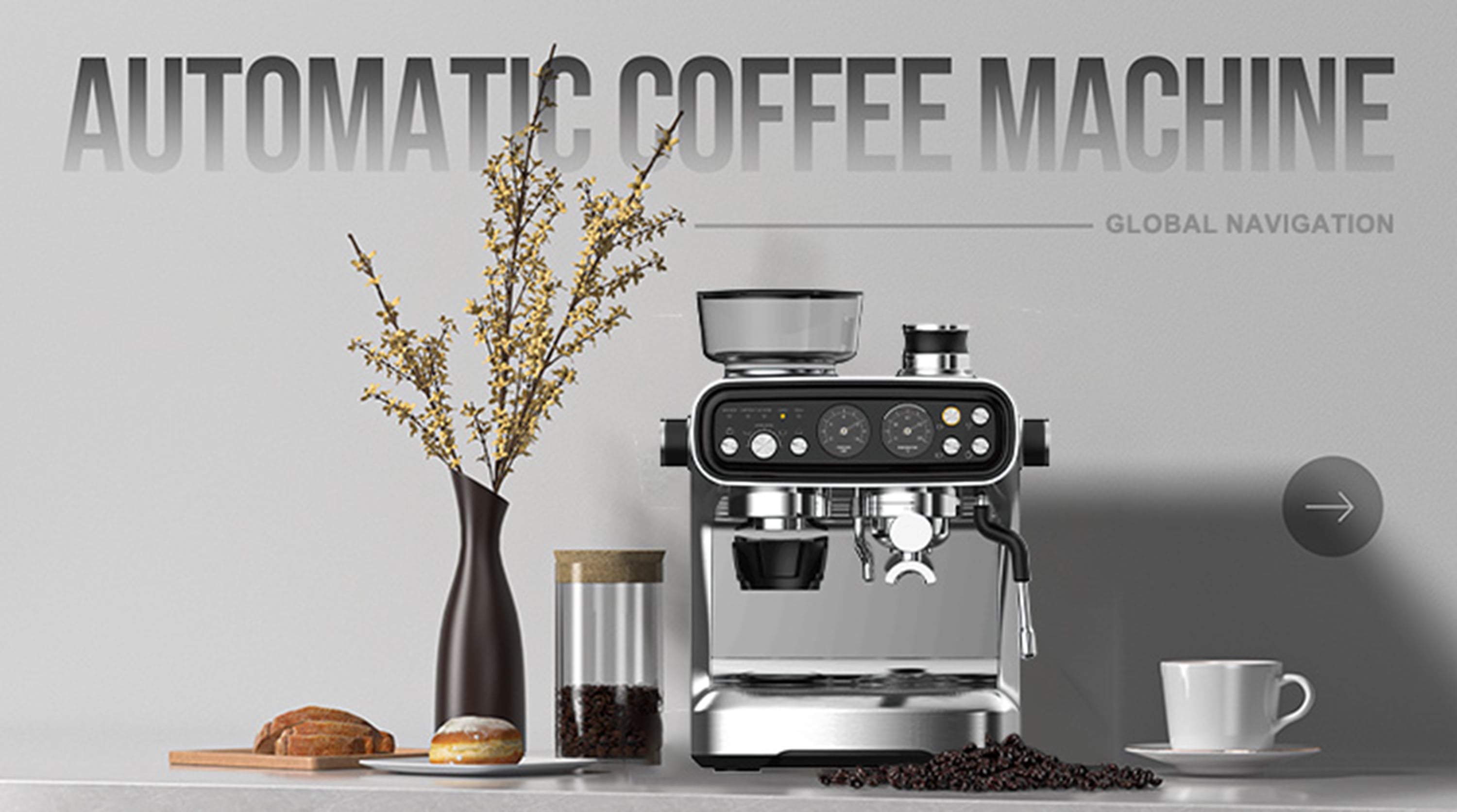
Selecting the right espresso machine requires understanding multiple technical specifications, and brewing pressure stands as one of the most critical factors influencing extraction quality and shot consistency. When sourcing an espresso machine, buyers must recognize that pressure directly affects how water interacts with coffee grounds, ultimately determining whether your shots taste balanced, smooth, and flavorful or bitter and over-extracted. The distinction between an average espresso machine and a superior one often comes down to how well it maintains optimal pressure during the brewing cycle, making this consideration essential for any buyer planning to invest in commercial or premium home equipment.
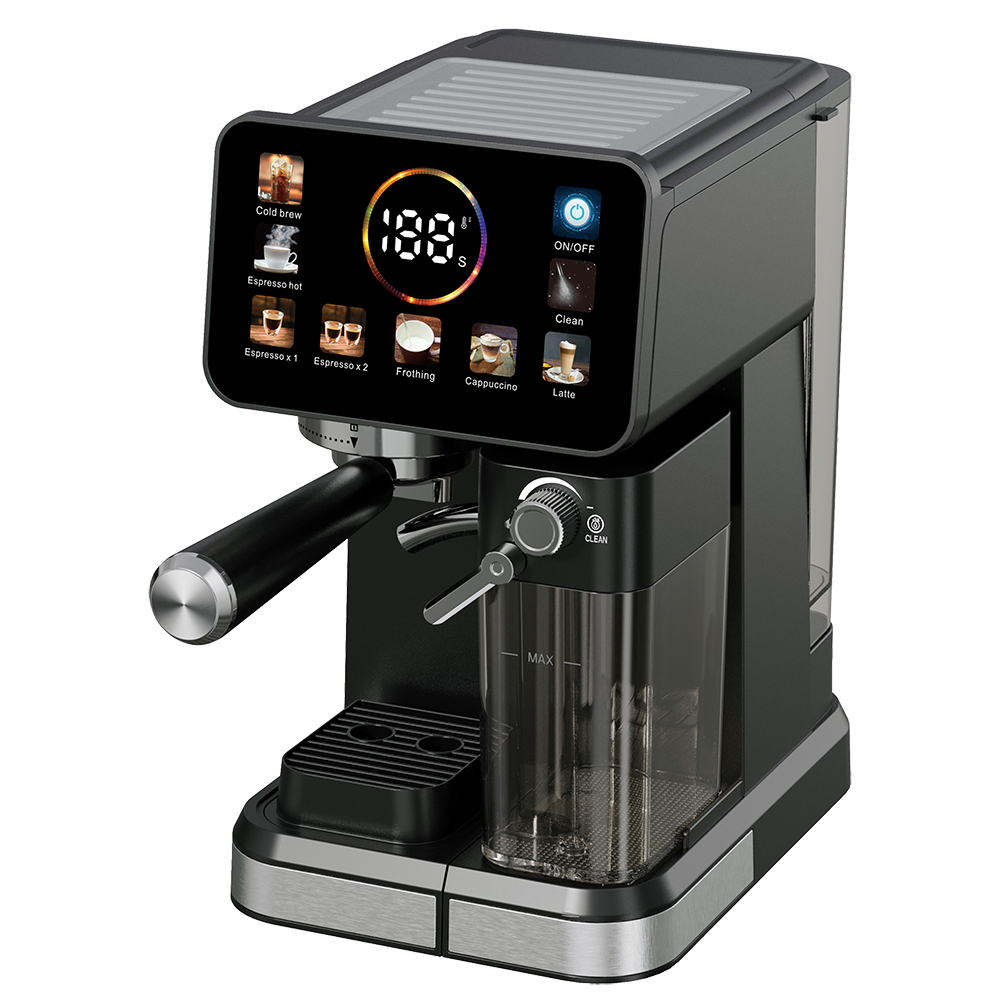
When evaluating an espresso machine, pressure measurement and consistency should rank alongside boiler type and grinder quality in your decision-making process. An espresso machine that fails to deliver stable pressure during extraction will produce inconsistent results, frustrating baristas and disappointing customers with variable shot quality. Understanding the relationship between pressure specifications and real-world espresso performance helps buyers avoid costly mistakes and select equipment that delivers reliable results day after day.
Understanding Espresso Machine Pressure Standards
The Nine-Bar Baseline for Espresso
The industry standard for espresso extraction pressure is nine bars, a specification that has become the benchmark for quality espresso machines worldwide. An espresso machine operating at nine bars creates sufficient resistance against the coffee puck to force hot water through the grounds evenly, extracting soluble compounds that define authentic espresso flavor. When buyers compare espresso machine specifications, nine bars represents the minimum acceptable pressure threshold; machines falling below this standard rarely produce shots that meet professional quality expectations or customer satisfaction requirements.
The nine-bar standard emerged from decades of espresso experimentation and represents an optimal balance between extraction speed and flavor development. An espresso machine maintaining consistent nine-bar pressure ensures that water contact time with grounds remains within the 25-30 second ideal window, allowing proper dissolution of desirable coffee solubles without oversaturation. Buyers should verify that any espresso machine they consider maintains this baseline pressure reliably throughout multiple back-to-back shots.
Pressure Consistency and Stability
Beyond the nine-bar baseline, pressure stability throughout the brewing cycle distinguishes professional-grade espresso machines from budget alternatives. An espresso machine with pressure fluctuation issues will produce uneven extraction, where some grounds receive excessive water force while others receive insufficient pressure, resulting in both under-extracted and over-extracted flavors in the same shot. High-quality espresso machine designs incorporate pressure regulation systems that maintain stable output regardless of water temperature variations or pump performance drift.
Buyers evaluating espresso machine options should inquire about pressure stability specifications and gauge-reading consistency over extended operation periods. An espresso machine featuring a quality rotary pump or vibration pump with proper pressure regulation will demonstrate pressure deviation of less than 0.5 bars across multiple shots, while inferior machines may show fluctuations exceeding two bars. This stability directly translates to more consistent shot quality and reduced customer complaints about variable espresso taste.
Pressure-Related Features Affecting Espresso Quality
Pressure Gauges and Digital Monitoring
Modern espresso machine buyers have access to pressure monitoring technology that earlier generations lacked, enabling real-time observation of extraction dynamics. An espresso machine equipped with an analog or digital pressure gauge allows baristas to identify when shots deviate from optimal parameters, catching extraction problems before they result in defective espresso. The best espresso machine models integrate both visual gauges and digital readouts, providing immediate feedback that helps operators adjust grind size or tamping pressure to maintain consistency.
When sourcing an espresso machine, prioritizing pressure gauge visibility and accuracy prevents the silent quality degradation that occurs when pressure problems go unnoticed. An espresso machine with a digital display showing real-time pressure during extraction helps staff understand cause-and-effect relationships between their technique and shot results, accelerating the learning curve for new baristas. Buyers should test gauge responsiveness in espresso machine demonstrations to ensure readings update rapidly and accurately reflect actual extraction conditions.
Pre-Infusion and Pressure Ramp Systems
Advanced espresso machine designs incorporate pre-infusion systems that gradually increase pressure before reaching full extraction force, enhancing flavor complexity and reducing channeling problems. An espresso machine with pre-infusion capability allows water to gradually penetrate the coffee puck at lower pressure initially, ensuring even saturation before full nine-bar pressure activates, which creates superior taste profiles compared to machines that apply pressure instantly. This feature particularly benefits buyers using lighter roast coffees or specialty-grade beans where subtle flavor nuances merit the additional technical sophistication.
Pressure ramp systems found in premium espresso machine models allow baristas to customize the pressure application curve, adjusting how quickly pressure builds during extraction. An espresso machine offering this flexibility enables operators to experiment with different pressure profiles suited to specific coffee varieties or roast dates, maximizing extraction potential and achieving repeatable excellence. Buyers committed to achieving competition-level espresso quality should strongly consider investing in an espresso machine with pressure ramp functionality, as this feature separates outstanding shots from merely acceptable ones.
Selecting the Right Espresso Machine Based on Pressure Specifications
Commercial Versus Home Use Pressure Considerations
Commercial espresso machine buyers face different pressure requirements than home enthusiasts, driven by throughput demands and consistency expectations in high-volume environments. A commercial espresso machine must maintain stable pressure across dozens of consecutive shots without performance degradation, requiring robust pump design and superior thermal stability compared to home equipment. Buyers outfitting cafes or restaurants should prioritize espresso machine models specifically engineered for commercial duty cycles, as home-oriented equipment typically underperforms under heavy production loads.
Home espresso machine buyers can often achieve professional-quality results with properly designed equipment rated for moderate use cycles, provided the espresso machine maintains consistent pressure during occasional back-to-back shots. The key distinction involves recognizing that an espresso machine designed for home use may show pressure variability after eight to ten consecutive extractions, while commercial-grade equipment maintains consistency across unlimited shots. Buyers should honestly assess their anticipated usage patterns and select an espresso machine rated appropriately for their duty cycle expectations.
Evaluating Pressure Specifications During Purchase
Effective espresso machine buyers develop a systematic approach to pressure evaluation, examining both stated specifications and observed performance during demonstrations. When comparing espresso machine options, request to observe multiple consecutive shots from the same machine, watching how the pressure gauge responds and noting any fluctuation patterns that might indicate pump wear or regulator issues. An espresso machine performing flawlessly during initial shots but showing pressure drift by the tenth consecutive extraction likely contains components nearing end-of-life replacement, suggesting either discounted pricing or avoidance depending on your maintenance capacity.
Smart espresso machine buyers verify that pressure gauges themselves are reliable by cross-checking readings against different measurement methods or requesting third-party pressure verification. An espresso machine with an inaccurate pressure gauge provides false confidence, potentially masking underlying pump performance problems that degrade shot quality. Buyers should also inquire about pressure gauge recalibration procedures and component replacement costs, as these maintenance factors affect total cost of ownership throughout the espresso machine's operational life.
FAQ
What pressure should I expect from a quality espresso machine?
A quality espresso machine maintains nine bars of pressure at the group head during extraction, with stable readings throughout the brewing cycle. Premium espresso machine models may offer pressure ramp or pre-infusion capabilities that adjust pressure curves, but the standard operational pressure remains nine bars during the main extraction phase. If you observe consistent pressure readings between 8.5 and 9.5 bars on your espresso machine's gauge, the equipment performs within acceptable parameters for producing excellent shots.
Can lower-pressure espresso machines still produce good espresso?
Some espresso machine designs intentionally operate at slightly lower pressure, typically seven to eight bars, often marketed as 'lighter extraction' systems that emphasize different flavor profiles. However, conventional espresso machines delivering less than nine bars generally struggle to achieve extraction consistency and balanced flavor development compared to standard-pressure equipment. If you're considering a lower-pressure espresso machine, verify that the manufacturer specifically designed it for that pressure range rather than the system simply underperforming due to mechanical failure.
How does espresso machine pressure affect shot timing and taste?
Pressure directly influences how quickly water flows through the coffee puck, with nine-bar espresso machines typically requiring 25-30 seconds for optimal extraction. Higher pressure reduces shot time by forcing water through grounds more aggressively, while lower pressure extends extraction duration but may produce under-extracted, sour shots lacking body and sweetness. Your espresso machine's pressure consistency determines whether repeated shots taste similar or vary significantly, making pressure stability essential for training baristas and maintaining customer satisfaction.


