 EN

When sourcing a double contact grill for foodservice, plate material influences more than purchase price. It affects how the cooking surface responds to heat, releases food, withstands cleaning, and fits the menu. Comparing these properties helps operators choose a double contact grill that suits their service pattern rather than relying on a material name alone.
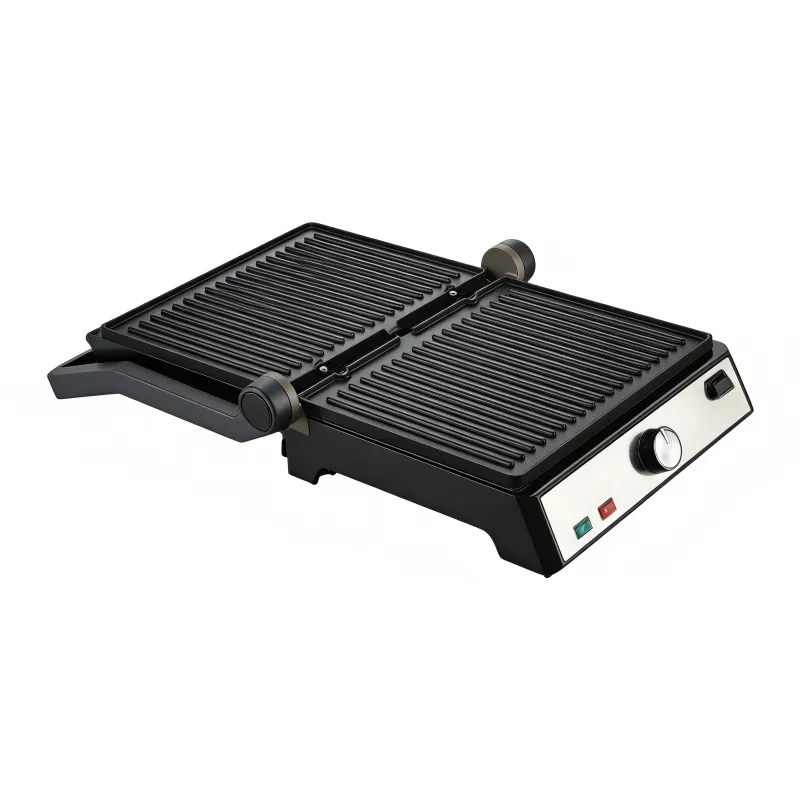
The right decision starts with the foods prepared, the expected volume, and the cleaning routine. A double contact grill may use cast iron, coated metal, or stainless steel in different parts of its plate assembly, and those materials serve distinct functions. Buyers should assess the complete cooking surface and its care requirements before choosing a double contact grill for a busy kitchen.
Match Plate Material to Cooking Requirements
Cast iron for heat retention
Cast iron is valued for its ability to store heat and provide a stable cooking surface. For a double contact grill preparing dense sandwiches, meat portions, or repeated batches, that thermal mass can support consistent contact after food is placed on the plates. Buyers should also consider preheating time and the operational discipline needed to keep the surface ready through service.
A double contact grill with cast-iron plates may require seasoning or other care specified by its supplier, depending on the finish and design. Staff need clear instructions for removing residue without damaging the surface. If the kitchen runs short, intense cooking cycles, this material can be worth evaluating, but its weight and maintenance routine should fit the equipment location and team workflow.
Coated plates for food release
A coated plate can help food release with less sticking when the coating is intact and used within its care limits. This can matter when a double contact grill handles delicate items, cheese, or products that leave residue. Evaluate the coating type, temperature guidance, utensil restrictions, and the cleaning method, rather than assuming all coated surfaces offer identical performance.
Coatings are working surfaces, not permanent shields against every form of wear. Abrasive pads, metal tools, overheating, and inappropriate chemicals may shorten their useful service. Before purchasing a double contact grill, confirm what replacement plates cost and whether a damaged plate can be replaced separately. Those details help estimate lifecycle implications and make staff training practical.
Assess Construction, Wear, and Cleaning
Stainless steel in the plate assembly
Stainless steel is commonly relevant to the grill body, plate supports, or components around the cooking surface, while the actual food-contact plate may use another material. Its corrosion resistance and cleanable finish can be useful in foodservice environments, but grade, thickness, welds, and construction quality matter. Ask which parts are stainless steel instead of treating the entire double contact grill as one material.
For a double contact grill, the design around the plates affects whether staff can reach seams and remove grease. Inspect edges, hinges, and any detachable components where food debris may collect. A smooth finish can support routine sanitation, but it does not replace the cleaning procedure required by the kitchen. Confirm that approved chemicals and methods are compatible with each surface.
Durability across real service cycles
Durability depends on material and use conditions together. A double contact grill operating for brief breakfast periods faces a different pattern of thermal cycling from one used continuously for lunch service. Consider how frequently plates are heated, cooled, scraped, and cleaned, then compare that workload with the product documentation. Ask about plate thickness, finish, replacement access, and care limitations.
The grill’s hinge and floating mechanism also influence plate contact and wear, even though they are not plate materials. If products vary in thickness, check whether the upper plate adapts without placing uneven pressure on food or stressing the surface. When reviewing a double contact grill, evaluate plate material alongside mechanical design, because the interaction determines whether the chosen surface works for the intended menu.
Choose by Menu, Maintenance, and Ownership Needs
Connect the surface to the menu
Start selection with a representative menu rather than a general claim about a material. A double contact grill dedicated to panini may prioritize release and simple residue removal, while one used for thicker proteins may put greater emphasis on heat retention and recovery. Identify the most common foods, portion sizes, and service peaks, then compare those needs with each plate option.
Menu variety can complicate the choice. Sugary sauces, marinades, bread crumbs, and melted cheese leave different residues, so ask how each surface should be cleaned between products. A double contact grill used across several food types also needs procedures that reduce flavor transfer and cross-contact risk. Plate selection should support the actual sanitation plan, not just the appearance of the surface.
Calculate practical ownership requirements
Purchase price is only one part of ownership. Compare preheating behavior, cleaning labor, approved tools, replacement plate availability, and any routine care required. For a double contact grill, the least expensive material at purchase may not be the simplest fit if staff need specialized handling or cleaning takes longer. Ask for written maintenance guidance and make sure it matches existing kitchen procedures.
Before ordering, request specifications that distinguish plate composition from body construction and clarify whether the surface is coated, removable, or replaceable. If the double contact grill will be used across shifts, review instructions with the people responsible for cooking and closing duties. A well-informed choice aligns the plate material with menu demands, cleaning capacity, and the expected service pattern.
For buyers comparing configurations, the double contact grill product details can be reviewed alongside the practical criteria above. Confirm the actual plate material and care instructions directly in the specification before procurement. This check helps ensure the selected double contact grill addresses the kitchen’s operating needs, rather than relying on assumptions about a product image or category label.
FAQ
Which plate material is easiest to maintain?
There is no universal answer because care depends on the finish and manufacturer instructions. A coated surface may release food readily, while cast iron may need specific care. For any double contact grill, compare permitted tools, cleaning agents, and replacement procedures with the kitchen’s routine before deciding.
Does plate material affect cooking consistency?
Yes. Materials differ in heat retention and response, but consistency also depends on preheating, plate contact, food thickness, and operating practice. Assess a double contact grill using the foods and pace expected in service, and follow the specified temperature and cleaning guidance.
What should buyers confirm before ordering?
Confirm the food-contact plate material, any coating, care requirements, replacement options, and the construction of adjacent components. Also check that the double contact grill suits the menu, service volume, and sanitation workflow. Written specifications provide a clearer basis for procurement than a broad material label alone.


