 EN
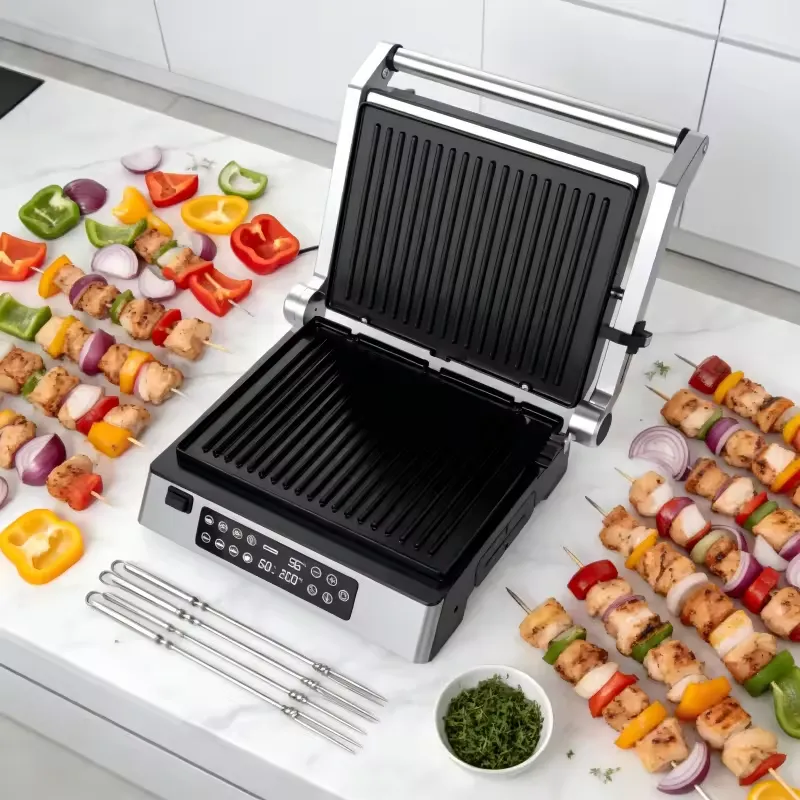
Buyers should require documented controls that verify a smokeless grill is safe, consistent, and fit for its intended market before shipment. A smokeless grill manufacturer should demonstrate how it controls materials, production, electrical safety, cooking performance, and finished-product release. These procedures matter because a polished sample cannot reveal whether every production unit meets the same requirements.
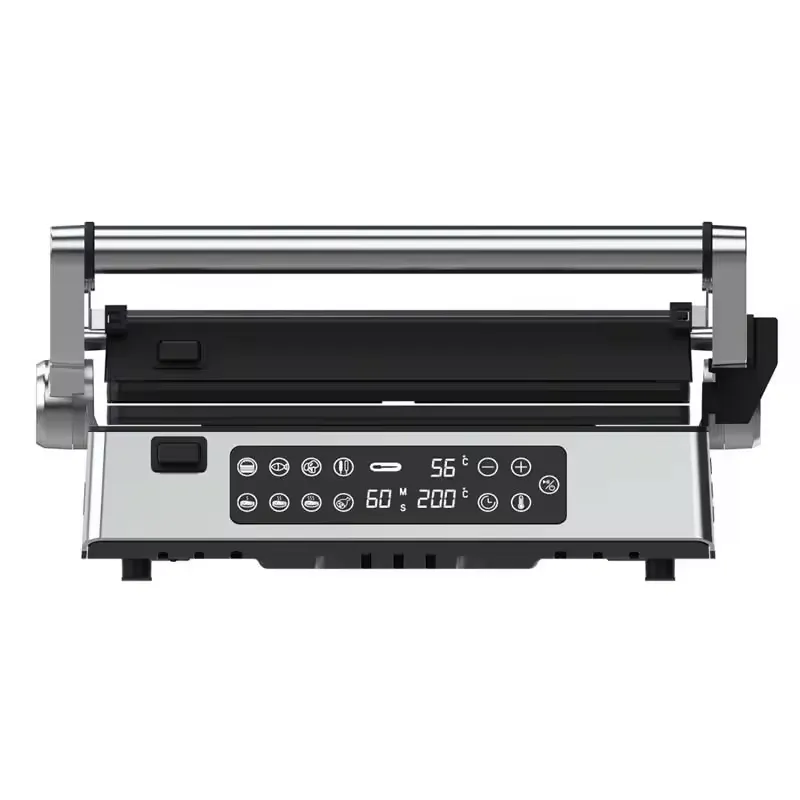
A useful review focuses on evidence, not broad assurances. Ask the smokeless grill manufacturer to connect written specifications with actual inspection records, test results, and corrective actions. The goal is a repeatable process: each unit should be built to an approved design, checked against defined acceptance criteria, and traceable if a defect appears after delivery.
Set measurable controls before production
Approve specifications and component sources
Start with an agreed product specification covering dimensions, materials, finish, rated voltage, power, controls, detachable parts, and packaging. The smokeless grill manufacturer should identify critical components and maintain approved drawings or bills of materials. Buyers should require change control, so substitutions in wiring, heating elements, coatings, or plastics are reviewed and authorized before use.
Request a process for incoming inspection that defines sampling, test methods, and pass or fail limits. A smokeless grill manufacturer should retain supplier certificates where relevant, but documents alone are not a substitute for verification. Check that incoming components match the approved specification, and ask how nonconforming lots are identified, segregated, and prevented from entering assembly.
Define risk-based acceptance criteria
Buyers should distinguish critical safety characteristics from cosmetic preferences and routine dimensions. Require the smokeless grill manufacturer to assign clear acceptance criteria for each category, including who checks it and what record is kept. Criteria should be specific enough that two inspectors can reach the same decision rather than relying on an undefined judgment such as acceptable appearance.
Review the inspection plan against intended use and foreseeable handling. The smokeless grill manufacturer should consider risks around hot surfaces, sharp edges, detachable plates, cord routing, stability, and user controls. Ask for documented risk assessment and evidence that identified hazards have corresponding design safeguards, process checks, or warnings. This links quality activity to practical product risks.
Verify safety and cooking performance
Require electrical and thermal testing
Electrical checks should reflect the product design and applicable destination-market requirements. Ask the smokeless grill manufacturer for its test protocol, equipment calibration status, sample identification, and recorded results for insulation, grounding where applicable, leakage, and protective functions. Confirm that test limits are defined and failed units cannot proceed to packing without disposition.
Thermal verification should establish how the appliance behaves during heating and normal operation. The smokeless grill manufacturer should evaluate temperature control, heating consistency, abnormal conditions, and accessible surface temperatures as appropriate to the design. Buyers should review test conditions, including supply input and operating duration, because a result without its method cannot be meaningfully compared or repeated.
Check cooking function and assembly consistency
Functional testing should confirm that controls respond correctly, heating starts and stops as intended, and removable components fit securely. A smokeless grill manufacturer should define checks for plate alignment, latch or attachment features, indicator behavior, and power-on operation. For cooking performance, establish a repeatable method and acceptance range rather than relying on an informal demonstration of one sample.
Require inspection at relevant points on the line, not only at final packing. The smokeless grill manufacturer should verify wiring connections, fasteners, component orientation, and enclosure closure before those areas become difficult to access. In-process checks help contain assembly drift early, while a final functional check confirms that completed products still meet the approved requirements.
Control release, records, and improvement
Make final inspection and traceability auditable
A final inspection plan should state the sampling basis, visual standards, functional checks, and release authority for each production lot. Ask the smokeless grill manufacturer to show completed records from comparable runs, with dates, quantities, results, and inspector identification. Buyers can then determine whether checks are routinely performed or exist only as a written procedure.
Traceability should connect finished units or batches to production dates, relevant component lots, and inspection outcomes. The smokeless grill manufacturer should explain how it identifies affected stock if a defect is found and how long records remain available. This information supports targeted containment, reduces uncertainty during investigation, and makes supplier follow-up more specific.
Require nonconformance and corrective-action discipline
Ask how the factory records defects, separates affected goods, investigates causes, and approves rework or scrap. A smokeless grill manufacturer should distinguish correction of an individual unit from corrective action that addresses a recurring process cause. Buyers should expect evidence that actions have owners, due dates, verification steps, and closure approval.
Quality requirements also need ongoing review after launch. The smokeless grill manufacturer should monitor defect trends, customer feedback, and repeated test failures, then use those signals to update controls when justified. During supplier reviews, buyers can compare agreed requirements with records and observed practice, document gaps, and set follow-up dates without relying on verbal assurances alone.
FAQ
Which records should buyers request before approving production?
Request approved specifications, risk assessments, inspection plans, calibration evidence, test reports, and sample production records. A smokeless grill manufacturer should also provide traceability and nonconformance procedures. These records show how requirements are translated into checks and how exceptions are controlled.
Should every finished grill receive a full safety test?
The appropriate testing frequency depends on product risks, applicable requirements, and the validated control plan. Ask the smokeless grill manufacturer to explain which checks apply to every unit and which use sampling, with a clear rationale. Buyers should confirm that any sampling plan includes defined limits and escalation for failures.
How should buyers handle a proposed component change?
Require written notice and approval before a change affects materials, construction, performance, or compliance. The smokeless grill manufacturer should assess the change, provide supporting tests where needed, and update controlled documents. Buyers should verify that production and inventory records identify when the approved change took effect.


