 EN
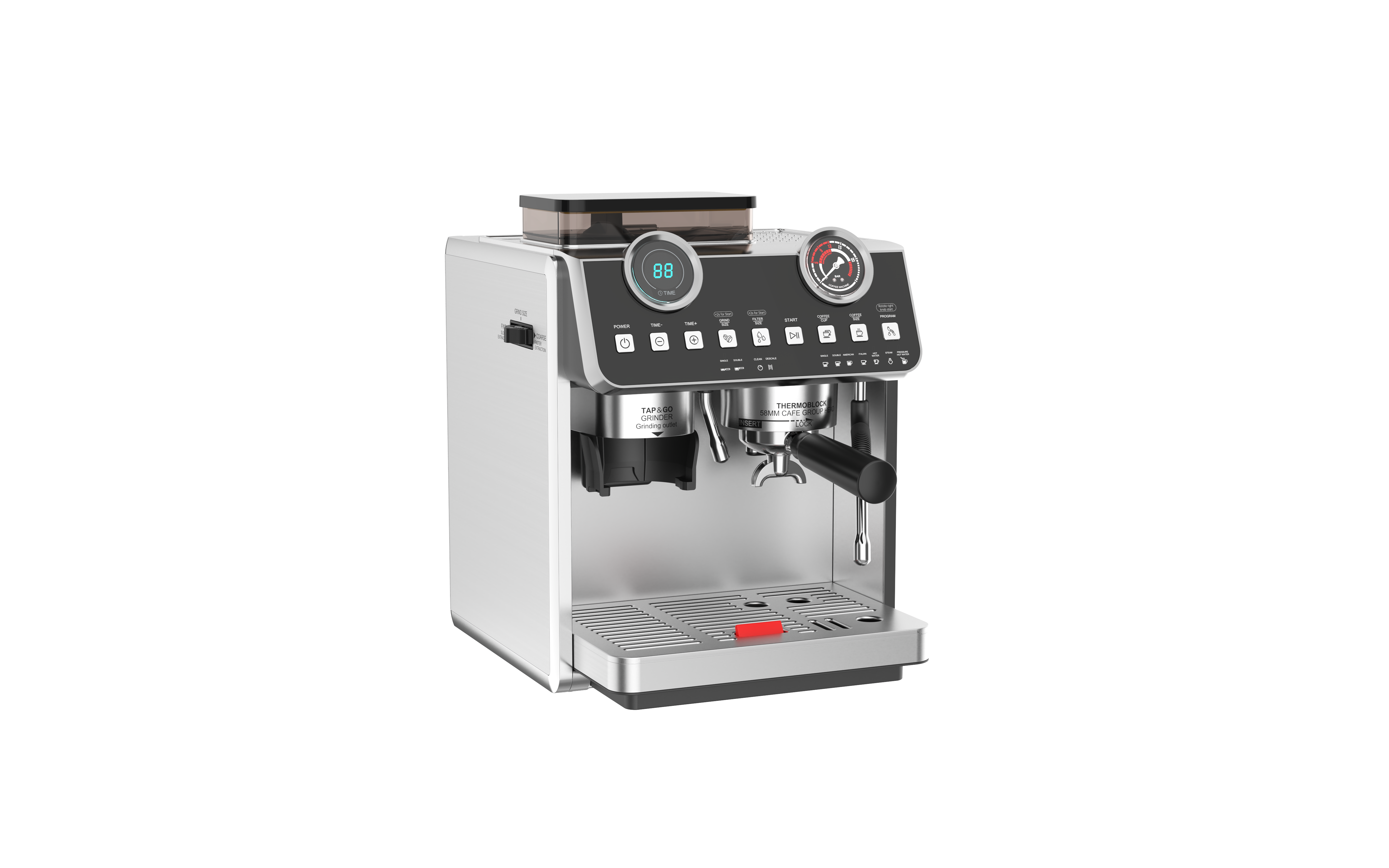
Selecting the right coffee machine manufacturer requires more than evaluating product features and pricing. Understanding the certifications and compliance standards that a coffee machine manufacturer maintains is essential for ensuring equipment quality, safety, and regulatory compliance. When sourcing commercial coffee equipment, importers must verify that their chosen coffee machine manufacturer holds recognized certifications that demonstrate commitment to industry standards and consumer protection.
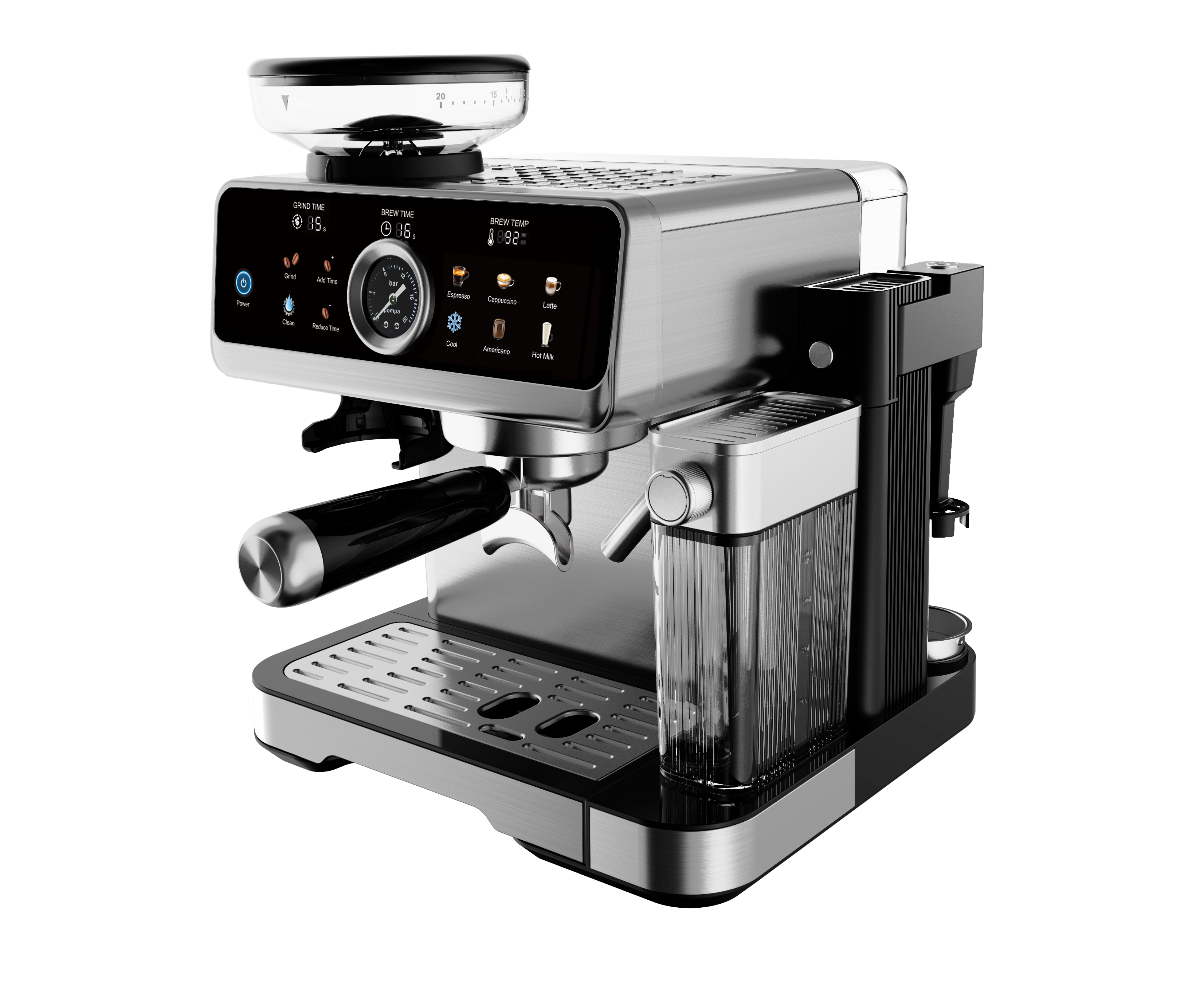
Importers operating in regulated markets face significant liability and business continuity risks when partnering with an uncertified coffee machine manufacturer. Equipment failures, safety incidents, or non-compliance with local regulations can result in costly recalls, legal disputes, and reputational damage. By systematically reviewing certifications before partnering with any coffee machine manufacturer, importers can mitigate these risks and establish long-term supplier relationships built on verified quality and safety performance.
International Safety and Quality Certifications
ISO Standards and Quality Management Systems
A reputable coffee machine manufacturer should maintain ISO 9001 certification, which demonstrates that the organization follows standardized quality management processes. This certification verifies that the coffee machine manufacturer has implemented documented procedures for design, production, testing, and customer service. ISO 9001 ensures that your coffee machine manufacturer maintains consistent product quality across production batches and responds systematically to identified issues.
Beyond ISO 9001, many professional coffee machine manufacturers also pursue ISO 14001 environmental management certification. This demonstrates that the coffee machine manufacturer actively manages environmental impact throughout manufacturing, packaging, and waste disposal. For importers focused on sustainability, verifying that your coffee machine manufacturer holds ISO 14001 provides third-party confirmation of environmental responsibility and reduces risk of future regulatory compliance issues related to environmental standards.
CE Marking and European Union Compliance
For importers sourcing equipment destined for European markets, CE marking represents a critical requirement. Any coffee machine manufacturer exporting to EU member states must ensure their products comply with the Machinery Directive (2006/42/EC). CE marking on equipment from a coffee machine manufacturer indicates that the product meets essential health and safety requirements and that proper conformity assessment procedures have been completed.
When verifying CE compliance from a coffee machine manufacturer, request documentation of the conformity assessment procedure, technical files, and any relevant harmonized standards applied. A credible coffee machine manufacturer will provide a Declaration of Conformity and maintain detailed technical documentation for each product model. This documentation protects importers by demonstrating that the coffee machine manufacturer has conducted proper risk assessment and implemented necessary safety measures.
Electrical Safety and Product-Specific Certifications
Electrical Safety Standards and UL Certification
Coffee machines involve electrical components that require rigorous safety evaluation. A coffee machine manufacturer operating in North American markets must ensure products meet UL (Underwriters Laboratories) standards, which evaluate electrical safety, thermal protection, and component reliability. UL certification from your coffee machine manufacturer indicates third-party testing of electrical safety features and reduces liability exposure for importers and end-users.
The coffee machine manufacturer should also pursue certification under CSA (Canadian Standards Association) standards for products sold in Canada. When selecting a coffee machine manufacturer for North American distribution, confirm that UL and CSA certifications are current and cover all product models you plan to import. A reputable coffee machine manufacturer maintains active relationships with these certification bodies and proactively updates certifications when product designs change.
NSF and Food Contact Certifications
NSF International certification is particularly important for coffee machine manufacturers serving the food service industry. NSF certification confirms that the coffee machine manufacturer has designed and tested equipment to prevent contamination of food and water contact surfaces. This certification is often mandatory for commercial installations in food service facilities and hospitality venues.
When evaluating a coffee machine manufacturer, verify that NSF certification specifically covers the brewing chamber, water tanks, and all components contacting coffee or water. A reliable coffee machine manufacturer will maintain NSF certification documentation and clearly communicate any restrictions or specific maintenance requirements that NSF standards impose. Many commercial venues require NSF certification from suppliers, making this qualification essential for importers targeting the food service sector.
Market-Specific and Industry Compliance Requirements
Regulatory Certifications by Region and Market Segment
Different markets impose unique regulatory requirements that your chosen coffee machine manufacturer must satisfy. In Australia and New Zealand, a coffee machine manufacturer must comply with AS/NZS standards and obtain RoHS certification, which restricts hazardous substances in electrical equipment. Importers planning regional expansion should verify that their coffee machine manufacturer maintains current certifications for each target market before committing to supply agreements.
For importers targeting Asia-Pacific markets, many countries require specific energy efficiency certifications or local product testing. A professional coffee machine manufacturer understands these regional variations and maintains separate certification documentation for each market. When negotiating with a coffee machine manufacturer, explicitly confirm which certifications apply to your intended distribution region and request current certificate copies from the issuing organization.
Third-Party Testing and Verification Audits
Beyond certifications, a transparent coffee machine manufacturer welcomes third-party facility audits and testing verification. Requesting that your coffee machine manufacturer undergo independent factory audits demonstrates their confidence in manufacturing standards and quality control processes. Many professional importers require their coffee machine manufacturer to complete annual audits from recognized compliance organizations.
When evaluating a coffee machine manufacturer, inquire about their most recent audit results, corrective action processes, and quality control documentation. A trustworthy coffee machine manufacturer maintains organized records of material testing, component sourcing verification, and production quality metrics. This level of transparency and documentation indicates that the coffee machine manufacturer operates with professional governance standards and takes compliance seriously.
FAQ
What is the most critical certification to verify from a coffee machine manufacturer?
The most critical certification depends on your target market. For North American distribution, UL certification from the coffee machine manufacturer is essential for electrical safety compliance. For European markets, CE marking and compliance with the Machinery Directive represents the fundamental requirement. For food service applications, NSF certification from your coffee machine manufacturer is typically mandatory. Importers should identify their specific market requirements first, then verify that the coffee machine manufacturer holds certifications appropriate to those regulatory frameworks.
How can importers verify that a coffee machine manufacturer's certifications are current and legitimate?
Request official certification documentation directly from the coffee machine manufacturer and cross-verify with the issuing organization's public registry. Most certification bodies maintain online databases where importers can confirm active certifications. Never rely solely on the coffee machine manufacturer's claims; independently verify certification status through the UL, NSF, CE, or ISO databases. Contact the certification organization directly if verification details are unclear, and request that the coffee machine manufacturer provide certificates with recent issue dates.
Should importers require additional certifications beyond standard industry standards?
Depending on your business model, supplementary certifications may add value and reduce risk. Some importers require their coffee machine manufacturer to maintain FSSC 22000 (Food Safety System Certification) for enhanced traceability and food safety protocols. Others prioritize OHSAS certifications confirming occupational health and safety practices at the coffee machine manufacturer's facilities. Evaluate your specific liability exposure and customer expectations, then negotiate certification requirements directly with potential coffee machine manufacturer partners during the selection process.


