 EN
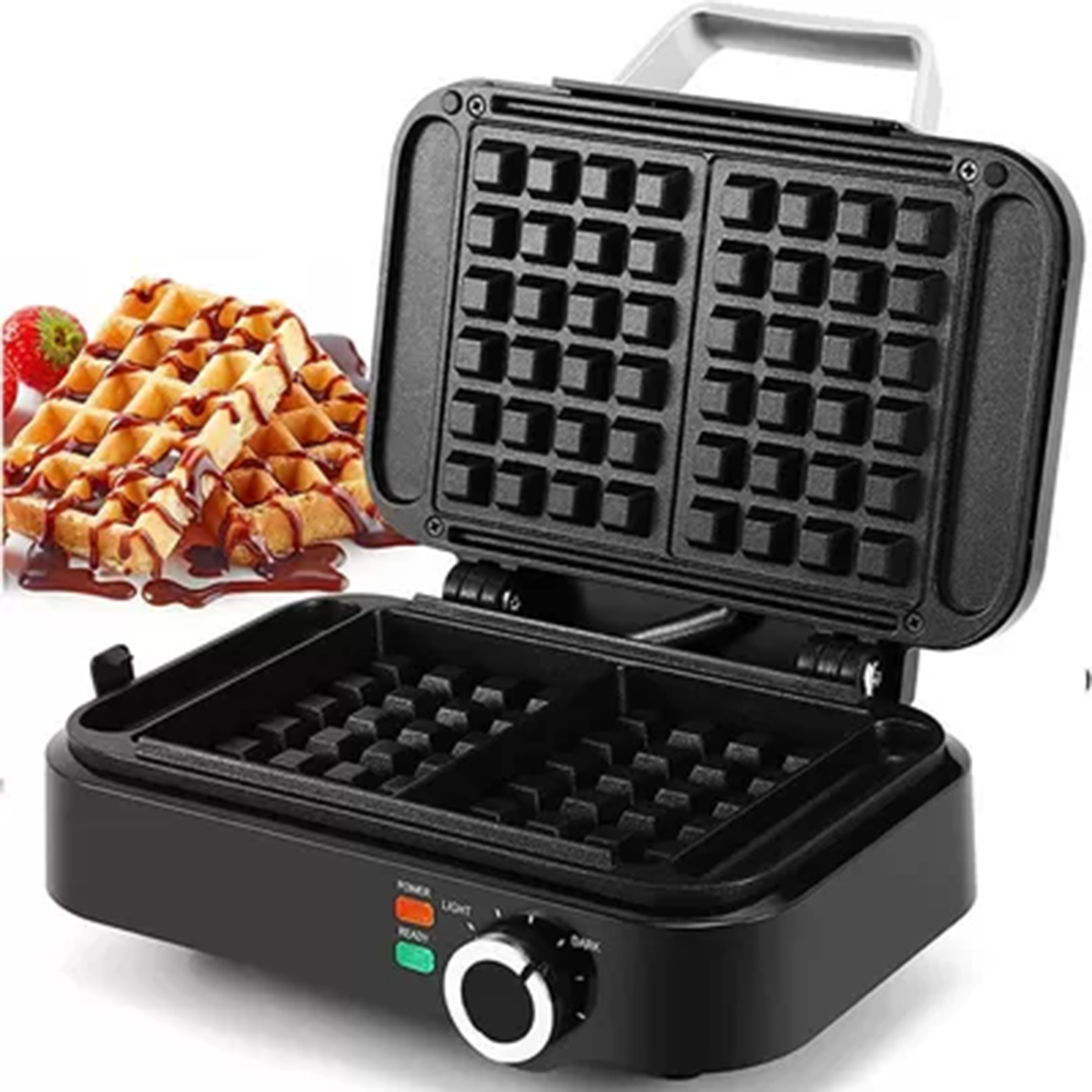
A double contact grill can handle frequent catering use when its capacity, operating routine, and cleaning plan match the service workload. The appliance cooks food between heated plates, which can shorten cooking cycles, but a double contact grill is not automatically suited to every rush. Evaluate the menu, expected order flow, available staff, and recovery time before relying on one.
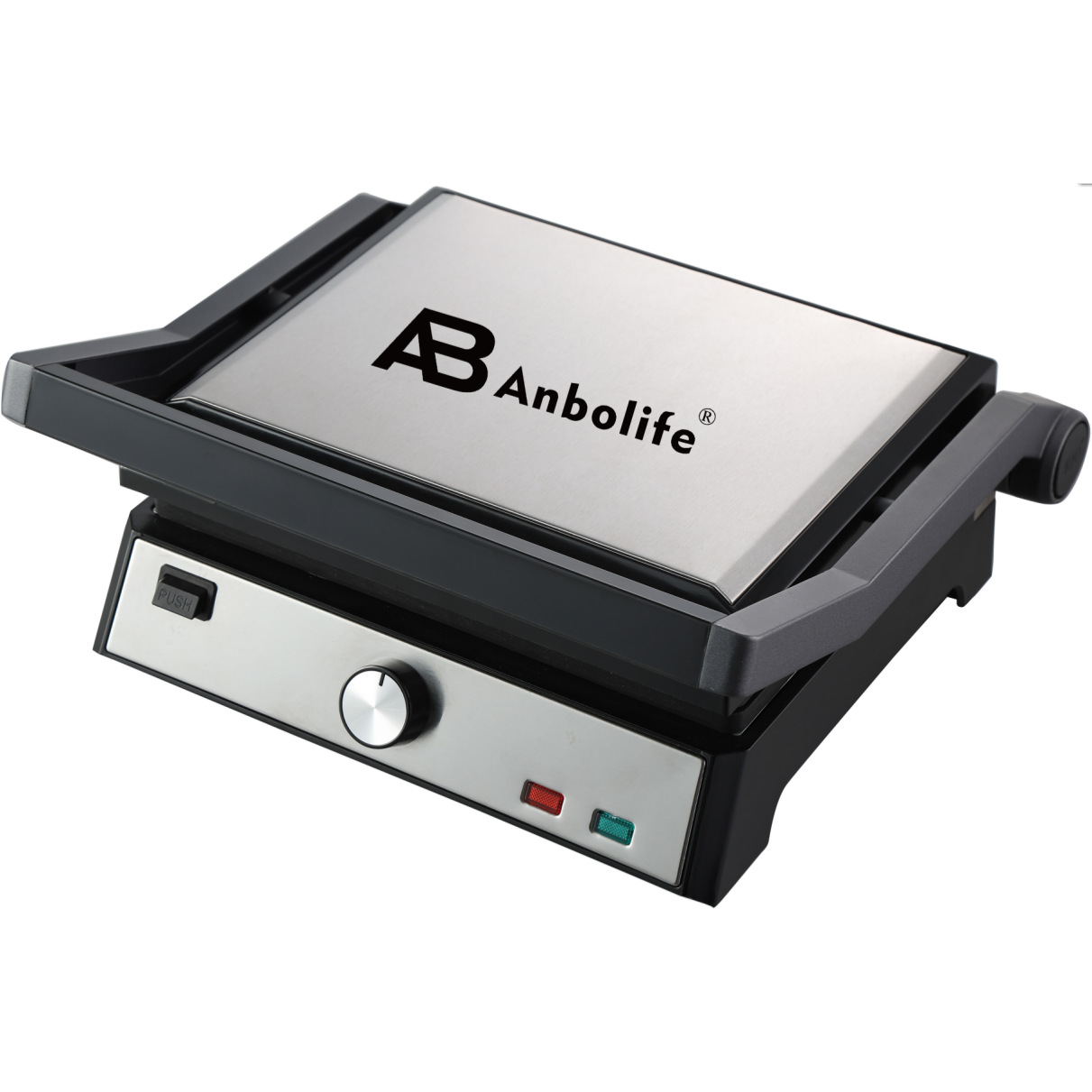
For caterers, high-frequency use means repeated loading, cooking, unloading, and cleaning across a service period, rather than simply switching the unit on for a long shift. A double contact grill can support that pattern if operators control batch size and keep food preparation organized. The sections below explain how to assess its practical limits and build a dependable workflow.
Assessing the grill against catering demand
Match cooking capacity to the menu
Start with the products that will actually be cooked. A double contact grill is especially useful for flat or moderately thick items that benefit from heat on both sides, such as sandwiches, vegetables, and suitable cuts of meat. Menu variety matters because different foods need different contact times, handling methods, and plate conditions. A mixed menu can therefore reduce the number of items processed per hour.
Estimate realistic output from the usable plate area, not an assumed maximum. With a double contact grill, crowded plates can limit contact and trap steam, making results less consistent even when more portions fit physically. Consider portion dimensions and whether each item needs space for safe placement and removal. A short, representative service test will reveal whether batches match the pace of actual orders.
Account for peak-period demand
Catering demand often arrives in waves, especially at event service, lunch periods, or scheduled breaks. A double contact grill may keep pace with steady orders yet become a bottleneck when many portions are requested together. Map the busiest interval and compare the likely order volume with practical cooking and handling time. Include loading, checking, and plating, not just the stated heating cycle.
The grill should fit into the whole kitchen line. If one double contact grill serves as the only cooking station for several menu items, its capacity may be constrained by operator attention rather than heat. Assigning a clear station role can prevent queues and reduce unnecessary plate opening. If demand exceeds that role, adjust the menu, stagger service, or plan additional cooking capacity.
Operating for repeated cooking cycles
Protect temperature recovery and consistency
Repeated batches draw heat from the cooking surfaces, so recovery between loads affects consistency. A double contact grill performs more predictably when food enters at a controlled temperature and batches are sized for the plate area. Avoid placing chilled, oversized loads on the surfaces without allowing the unit to recover. Follow the equipment instructions for preheating and settings rather than relying on guesswork.
Operators can monitor results through color, doneness checks, and repeatable timing. A double contact grill may cook unevenly if ingredients vary greatly in thickness or are positioned inconsistently. Standardizing portions and placement makes it easier to recognize a genuine equipment limitation versus a preparation issue. For food safety, use the site’s approved procedures and appropriate checks for each food, rather than judging safety by surface appearance.
Build a practical station workflow
A smooth station keeps raw ingredients, cooked food, utensils, and service packaging organized without blocking the operator. Keep a double contact grill accessible for loading and plate opening, while preserving safe clearance around hot surfaces. Prepare ingredients in manageable batches and place frequently used tools within reach. These small workflow choices reduce idle time and help staff maintain a steady pace during a rush.
Train staff on safe handling, hinge movement, temperature controls, and the correct way to remove food. A double contact grill can be opened repeatedly during service, but unnecessary checks release heat and interrupt the cycle. Agree on visual or timed cues for routine products, while retaining required doneness checks. Consistent technique matters when multiple workers share one station across a catering shift.
Maintaining dependable high-frequency use
Control cleaning and between-batch care
Residue can affect food flavor, surface contact, and ease of cleaning, so establish when staff should remove crumbs or grease. For a double contact grill, cleaning must follow the manufacturer’s directions and account for hot surfaces, electrical safety, and approved tools. Do not interrupt service with an improvised method that risks burns or damages the plates. A defined routine supports both hygiene and predictable cooking.
Between batches, remove loose debris when safe and check that the plates are ready for the next product. A double contact grill with detachable plates may offer a different cleaning routine from a fixed-plate model, so staff should know the specific procedure for their unit. At close, follow the prescribed shutdown and cleaning steps. Careful daily habits help identify buildup or damage before it disrupts service.
Use maintenance and fit checks to set limits
Before committing the appliance to frequent operation, review its specifications, electrical requirements, intended use, and care instructions. A double contact grill must suit the site’s power supply and counter layout, with ventilation and safe access as required. Product details such as plate construction, hinge design, and removable components can guide the evaluation, but they do not replace operating instructions or a live service trial.
Inspect the cord, controls, hinge movement, and cooking surfaces according to the maintenance schedule. If a double contact grill shows inconsistent heating, damaged parts, or unusual operation, take it out of service and follow qualified repair guidance. Keep a record of recurring issues and cleaning needs. That evidence helps managers decide whether the equipment remains suitable for the workload or whether the workflow needs adjustment.
FAQ
Can a double contact grill run through a full catering shift?
It can when its rated use, electrical setup, maintenance, and workload align with the shift. A double contact grill should be operated according to its instructions, with appropriate cleaning and recovery time. Test the expected menu and order pace before making it central to service.
What most often limits output during a rush?
Plate area, batch size, product thickness, temperature recovery, and operator workflow all affect output. A double contact grill may be capable of repeated cycles, yet still fall behind if staff crowd the plates or handle too many product types at once. Measure the full cycle in a realistic trial.
How should a catering team decide if the unit is suitable?
Compare the menu and peak demand with usable cooking area, instructions, cleaning needs, and site requirements. Trial the double contact grill with normal portions and staff procedures, then review timing and consistency. Keep it in the workflow only when it meets operational needs safely.


