 EN
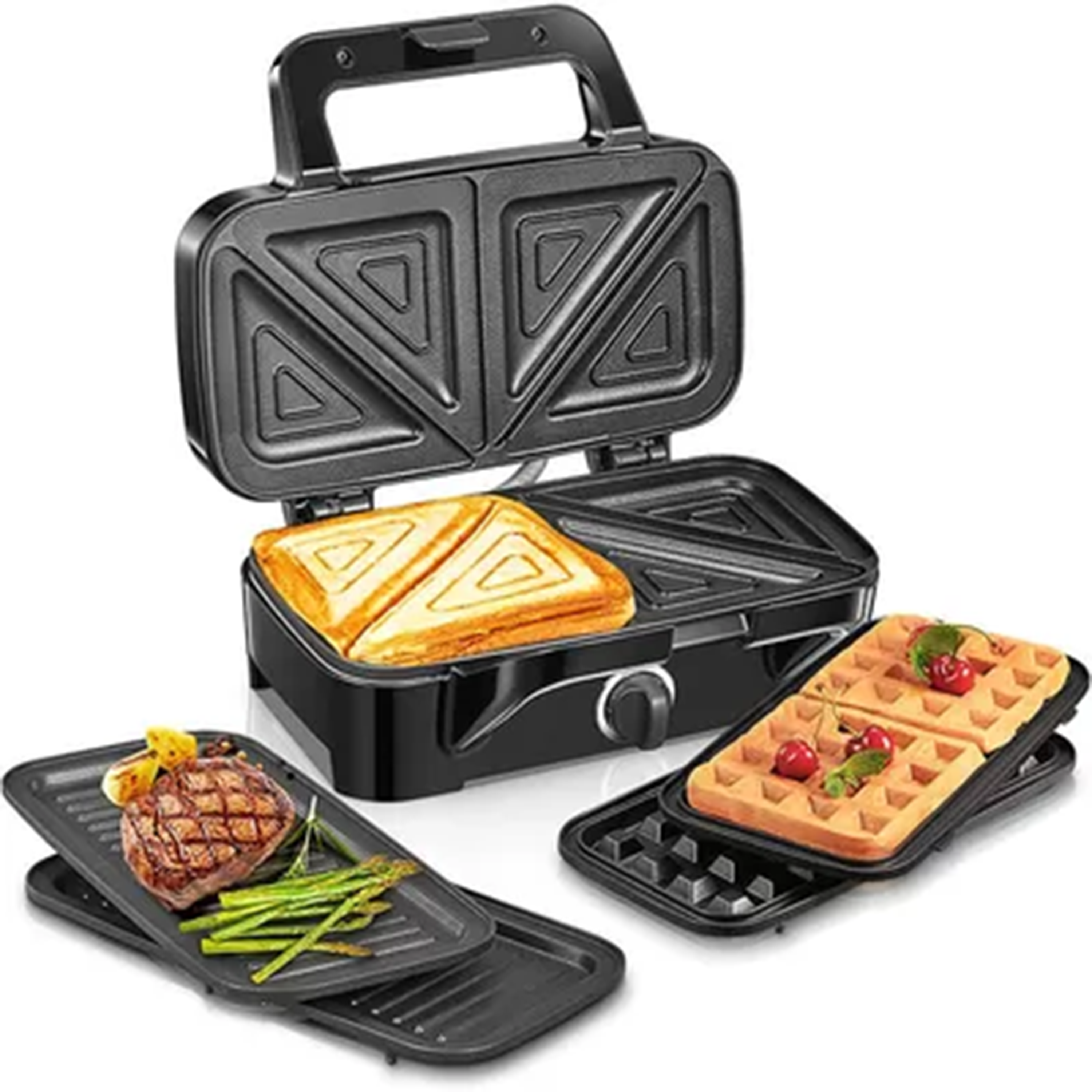
A double contact grill can cook food quickly because heated plates work on both sides, but speed alone does not ensure a good result. The right temperature helps balance browning, internal doneness, moisture, and cooking time. Understanding how heat settings interact with food thickness and plate contact gives operators a repeatable way to manage each batch.
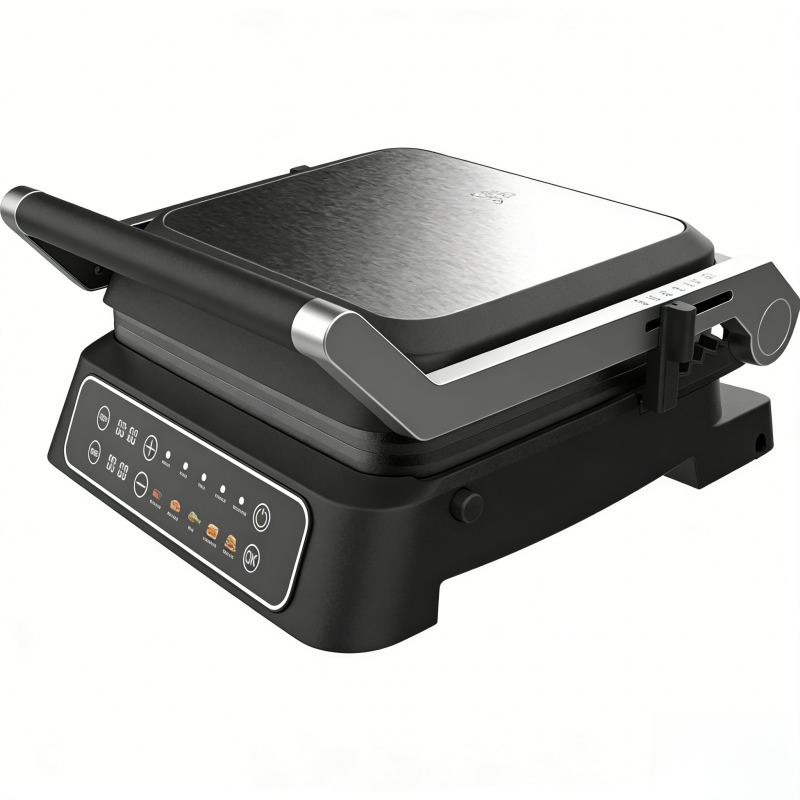
Temperature controls are most useful when treated as process tools, not simply as high, medium, or low labels. On a double contact grill, the selected setting affects how quickly the plates recover heat after loading and how much browning develops before the center is ready. A measured approach helps kitchens adapt settings to the food, portion, and service pace.
How temperature controls shape cooking results
Set heat for the food, not just the clock
A double contact grill set too hot may brown the exterior before a thick portion reaches its intended internal temperature. A setting that is too low can extend cooking and produce pale surfaces or excess moisture loss. Choose an initial temperature according to thickness, starting temperature, and the desired finish, then use a tested time range as a guide rather than a guarantee.
For a double contact grill, thinner items generally need less time under heat, while dense or chilled portions need more time for heat to travel inward. Applying the same setting to every menu item can create uneven results, even when portions look similar. Establish a practical setting for each food type and record the portion size and starting condition used during the test.
Balance surface browning with internal doneness
The double contact grill transfers heat through the upper and lower plates, so both surface contact and temperature influence browning. A moderate setting can give the center more time to warm while the exterior colors gradually. For foods where a pronounced sear matters, a higher setting may be appropriate, provided the portion is not so thick that the outside finishes too early.
Use a double contact grill setting that supports the result required by the recipe, then verify doneness with an appropriate food thermometer when safety or consistency depends on internal temperature. Plate markings indicate a control target, not necessarily the exact temperature at every point on the cooking surface. Product load, recovery time, and the condition of the plates can all affect the cooking process.
Choose settings through a repeatable workflow
Preheat and allow heat recovery
A double contact grill should reach its selected operating condition before food is added, because loading cold plates changes the heat available for the first cycle. Follow the equipment instructions for preheating and wait for the relevant indicator or prescribed period. Starting consistently makes it easier to compare cooking tests and distinguish a temperature issue from a preheating issue.
When a double contact grill handles successive orders, allow the plates to recover according to the operating guidance before placing the next portion. Rapid loading can reduce surface heat and affect browning, especially when several cold items are added together. If service volume changes, assess results during realistic loading rather than relying only on a single, lightly loaded test.
Test portions and document the result
For each menu item, test a representative portion on the double contact grill at a suitable starting setting. Keep portion thickness, product temperature, placement, and closing method consistent, then check both appearance and internal doneness. Change one variable at a time so that a better or worse outcome can be linked to a specific adjustment.
A useful double contact grill record includes the chosen setting, approximate cooking time, portion description, and observations about color and texture. It should also note whether the unit was fully preheated and whether the plates had recovered between cycles. This simple process turns staff experience into a shared operating reference without pretending every portion behaves identically.
Maintain consistent results during service
Adjust for thickness, moisture, and loading
A double contact grill responds differently when a portion is thicker, wetter, colder, or more densely packed than the test sample. Extra moisture can slow surface browning, while a thick center may need longer exposure to reach the intended doneness. Make adjustments in modest steps and reassess the center and exterior together instead of raising heat automatically.
With a double contact grill, avoid stacking or crowding food in ways that prevent reliable contact with the plates. Consistent portioning and placement make temperature settings more dependable from order to order. If items vary substantially, separate them into suitable cooking groups or use individual checks rather than forcing one setting and time to cover every case.
Use symptoms to guide controlled corrections
If a double contact grill produces dark surfaces with an underdone center, reduce the setting or use a longer, gentler cooking approach where the recipe permits. If food is cooked through but lacks color, check preheating, plate recovery, and surface contact before making a substantial temperature increase. These symptoms can point to different causes, so correct the cause rather than changing several factors at once.
A double contact grill also needs clean, well-maintained plates and proper operation to deliver repeatable heat transfer. Follow the equipment care instructions, and do not use temperature changes to compensate for residue, damaged surfaces, or an operating fault. Where results remain inconsistent after standardizing portions and workflow, review the unit guidance and seek qualified service support as appropriate.
FAQ
What temperature should I use for every item?
There is no single setting that suits every double contact grill application. Begin with the recipe or equipment guidance, then test the actual portion and verify its finish. Thickness, starting temperature, and desired browning all influence the best working setting.
Why does the same setting give different results?
A double contact grill may produce different outcomes when portions, loading, preheating, or plate recovery change. Standardize those conditions before adjusting the control. Check doneness and surface color together to identify whether the issue involves heat level, time, or contact.
Should I always increase heat to cook faster?
Not necessarily. Increasing the double contact grill temperature may darken the exterior before the center is ready. Select heat for the required cooking result, and make controlled changes based on observed performance rather than speed alone.


