 EN
When importing a double contact grill in bulk, safety decisions should begin with the hazards the equipment may create in daily commercial use. A double contact grill combines heated plates, electrical components, moving hinges, and frequent operator contact, so evaluating the full design matters more than checking a single feature. Buyers should assess protections, records, and shipment controls before approving a large order.
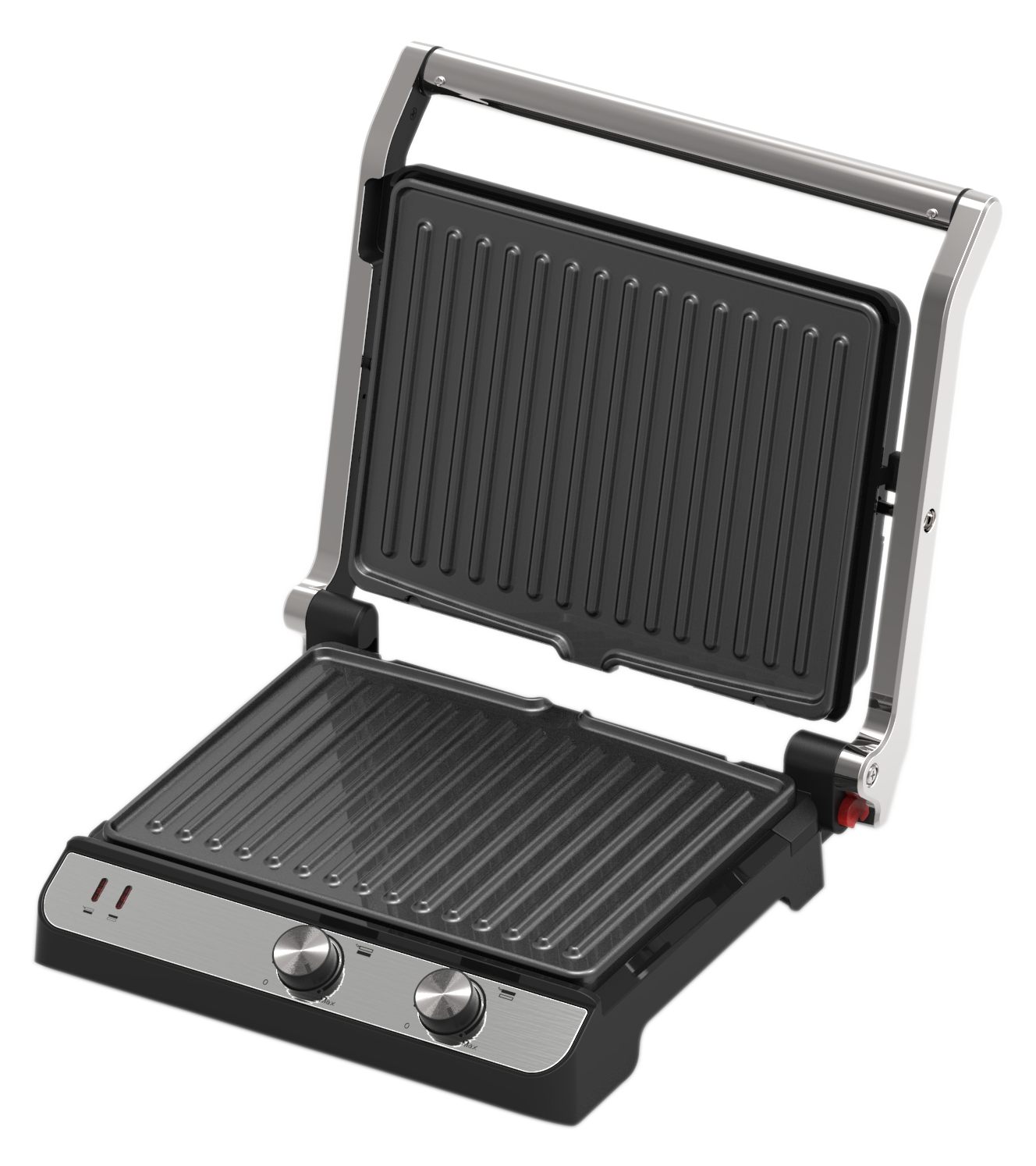
The right priorities depend on where the double contact grill will be installed, who will operate it, and which destination-market rules apply. For bulk importing, one overlooked weakness can be repeated across many units, creating avoidable inspection delays or workplace risk. Use a structured review of thermal, electrical, mechanical, and documentation controls, then confirm that production samples and delivered goods match the approved configuration.
Prioritize safeguards against everyday hazards
Control heat, burns, and fire exposure
A double contact grill reaches high temperatures by design, making heat containment and predictable operation central safety considerations. Review the stability of temperature controls, the visibility of settings, and whether the exterior surfaces near normal hand positions can become dangerously hot. Ask how the double contact grill manages heat during extended service and whether operating instructions explain safe preheating, cooking, and shutdown.
Check whether the double contact grill has a dependable thermostat or other temperature-limiting control, and establish what happens if a control fails. Thermal protection should be suitable for the intended duty cycle, not merely demonstrated during a brief showroom test. Examine power cords, nearby materials, and ventilation requirements as part of the fire-risk review, since installation conditions affect safe operation.
Reduce electrical and operator-contact risks
For every double contact grill, verify that grounding, insulation, wiring, plugs, and strain relief suit the voltage and electrical system at the destination. Confirm that protective measures remain effective during frequent movement, cleaning, and routine commercial use. A qualified review should consider accessible live parts, leakage or shock protection where applicable, and whether the appliance can be disconnected safely for service.
The double contact grill also needs sensible protection around its hot plates, handle, and closing motion. Handles should provide a secure grip without requiring an operator to reach across heated surfaces, while warning labels should remain legible in the working environment. Review instructions for gloves, cleaning, and safe plate contact, because clear procedures complement physical safeguards rather than replacing them.
Verify design and compliance evidence
Match certifications to destination requirements
Before placing a bulk order, identify the laws and conformity requirements that apply in each country where the double contact grill will be sold or used. Requirements can differ by market, electrical configuration, materials, and product category, so do not assume one certificate covers every destination. Request current test reports and declarations, then check that model numbers, ratings, and product descriptions match the exact unit being purchased.
A document review for the double contact grill should include traceable evidence from appropriate testing and clear responsibility for conformity. Confirm that the nameplate shows required electrical ratings, manufacturer or importer details, and relevant warnings in the required language. If a certificate lists a different model or an older design, ask for clarification before treating it as proof that the ordered configuration is covered.
Inspect construction, materials, and serviceability
Examine the double contact grill design for stable feet, durable hinge attachments, guarded edges, and secure fastening of components. Detachable plates can simplify cleaning, but their attachment and removal should not expose sharp edges, electrical parts, or hot surfaces unexpectedly. Ask for material information where food-contact surfaces are relevant, and ensure cleaning directions do not encourage unsafe disassembly or immersion.
Consider how a double contact grill can be inspected and maintained over its service life. Accessible controls, replaceable wear parts, and clear service guidance can help maintenance staff address faults without improvised repairs. Review any safeguards that could be defeated during cleaning or servicing, and require instructions to explain isolation from power before work begins. Good design makes safe procedures practical for the people responsible for the equipment.
Manage bulk-order and receiving risks
Control samples, production changes, and traceability
A preproduction sample gives the importer a chance to examine one double contact grill before approving a repeated build. Record the tested model, electrical rating, critical components, labels, and packaging details, then make those specifications part of the purchase approval. Require notification and review before changes to controls, wiring, materials, or suppliers affect the agreed design, even if the product keeps the same model name.
Bulk safety depends on traceability as well as design. Ask that each double contact grill and its packaging carry consistent identifying information, including batch or date codes where appropriate. Keep approved specifications, test evidence, inspection records, and corrective-action correspondence together. If a later complaint reveals a defect, traceable records help identify affected production and support a focused response instead of uncertainty across the entire shipment.
Plan inspection and handling at arrival
Set receiving criteria before the double contact grill shipment arrives. Inspect packaging for impact or moisture damage, compare labels and ratings with approved documentation, and sample units for visible defects, loose parts, damaged cords, or inconsistent assembly. A receiving check cannot replace formal compliance testing, but it can flag shipment issues before equipment enters a kitchen or distribution channel.
Make acceptance decisions proportionate to order size, product risk, and available evidence. If a double contact grill fails an agreed inspection, quarantine the affected units and document the issue before use or resale. Clarify who investigates, how replacements or corrective actions are authorized, and how findings are recorded. A disciplined process reduces the chance that schedule pressure turns a safety concern into an operational incident.
FAQ
Which safety feature should be checked first?
Start with the hazards most likely in the intended setting: heat exposure, electrical shock, fire, and moving-part contact. For a double contact grill, review temperature controls, grounding and insulation, handle and hinge design, and clear operating instructions together. The order can vary with installation conditions, but no single safeguard should substitute for a complete risk review.
Are certificates enough to approve a bulk order?
No. Certificates and test records are important evidence, but the importer should verify that they apply to the exact double contact grill model, rating, and destination market. Also check labels, sample construction, production controls, and incoming units. Documentation supports the decision; it does not guarantee that every delivered appliance is undamaged or consistent with the tested design.
What should happen if units differ from the approved sample?
Pause acceptance of affected units and document the differences with model details, photos, and batch identification. Compare the delivered double contact grill with approved specifications and determine whether a safety-critical component or compliance detail changed. Keep units out of service until the issue is assessed, and record the agreed correction, replacement, or other resolution before closing the case.


