 EN
Yes, an espresso machine can be customized for an OEM or private label program, but the available scope depends on the product platform, order requirements, and production process. Buyers should define what must change, what can remain standard, and how each choice affects validation, packaging, and launch timing. An espresso machine program is most practical when its requirements are specific and prioritized.
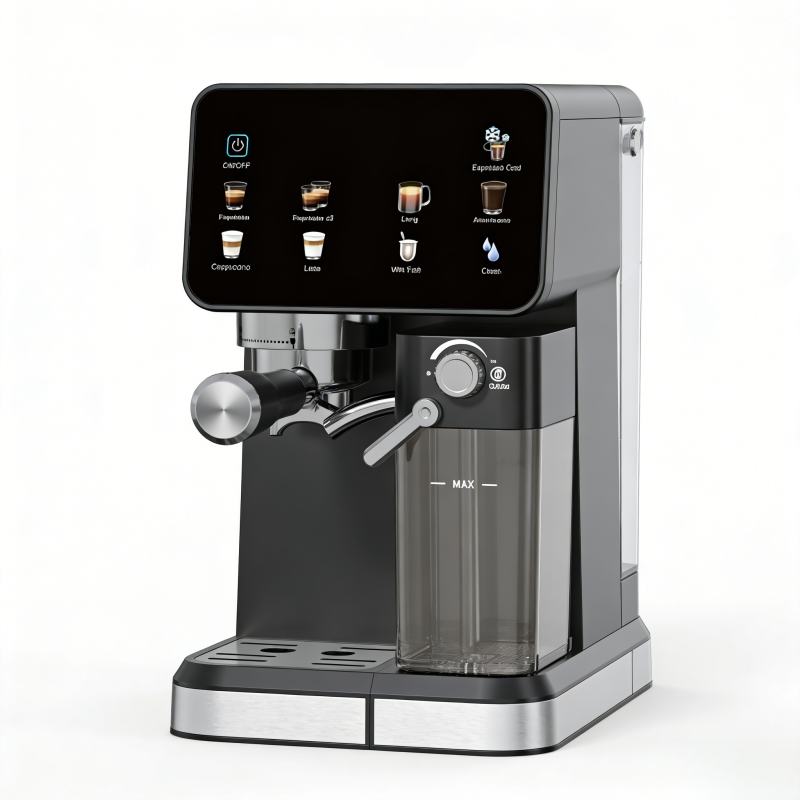
Customization may cover exterior appearance, user-facing details, included accessories, packaging, and documentation. It does not automatically mean that every internal component can be redesigned. For an espresso machine, a clear distinction between configurable features and engineering changes helps protect quality while giving a brand room to serve a particular channel or customer segment.
Customization Scope and Product Fit
Separate standard options from engineering changes
Start by mapping the espresso machine features that matter to the intended buyer. Color, surface finish, logo placement, control labels, and accessory selection may be easier to adjust than the heating system, pump, grinder, or electrical design. Ask which espresso machine elements are existing options and which require new tooling, sourcing, or technical review.
This distinction helps turn a broad request into a realistic specification. For example, a retailer may need a coordinated finish and branded instruction materials, while a hospitality distributor may prioritize robust packaging and a different accessory configuration. In either case, an espresso machine based on an established platform can reduce the number of variables that need assessment. Keep the first specification focused on requirements that improve fit for the target market.
Match customization to the end customer
The intended user should guide decisions about the espresso machine interface and included features. A home-focused range may call for simple instructions and an approachable design, while a specialist retail offer may need clearer information about grinder adjustment or drink preparation. The goal is not to add options indiscriminately, but to make the espresso machine easier for its audience to understand and use.
Consider where the product will be sold, how customers will compare it, and what service questions are likely after purchase. A private label espresso machine should present a consistent experience across the product, packaging, and support materials. Where a proposed change affects operation or maintenance, review it with the technical team before treating it as a cosmetic detail. This keeps the customer promise aligned with the actual configuration.
OEM Planning and Validation Process
Convert the brief into an approved specification
A useful OEM brief identifies the target market, expected order volume, desired launch window, branding assets, and mandatory product requirements. Describe each requested espresso machine change in measurable terms where possible, including colors, logo dimensions, label language, and packaging needs. This gives the project team a shared reference rather than relying on informal interpretations.
Next, confirm feasibility and clarify which items need samples, drawings, or approval before production. A customized espresso machine may require reviews for fit, finish, usability, or compatibility with the selected configuration. Record decisions and revisions so that the approved sample, artwork, and purchase specification stay aligned. Clear sign-off reduces avoidable rework and helps both sides manage schedule expectations.
Validate the complete configuration
Validation should reflect the final espresso machine configuration, not simply a similar standard unit. Check the selected options, visible branding, control labels, supplied accessories, and user documents together. If a change can affect operation or safety, involve qualified technical and compliance reviewers. The appropriate checks depend on destination-market rules and the exact product design.
Packaging also belongs in the review because it protects the espresso machine and carries important customer information. Confirm that the product presentation matches approved artwork, that required instructions are included, and that shipping arrangements suit the package design. Keep a record of sample feedback and final approvals. These checks make it easier to identify differences before a larger production run is committed.
Commercial Readiness for Private Label
Coordinate branding, packaging, and support
A private label program involves more than placing a logo on an espresso machine. Brand assets need consistent treatment across the unit, carton, inserts, manuals, and any product listings prepared for the sales channel. Confirm ownership and approval of artwork, translations, product descriptions, and images before they enter production or publication.
Support planning should reflect the exact espresso machine configuration being sold. Prepare accurate setup guidance, care instructions, warranty terms, and a process for handling customer questions. If accessories differ from a standard package, make that clear in product information. Coordinated documentation helps buyers understand what arrives and gives service teams a dependable reference for the branded model.
Assess production and launch conditions
Before committing to a launch, review minimum order expectations, component availability, sample lead time, packaging approvals, and any market-specific review. Custom finishes or printed materials can add dependencies to an espresso machine schedule. Ask which decisions have to be finalized first, and leave room for sample review and correction rather than planning around an unverified production date.
A phased approach can be useful when the business is testing demand or learning which options resonate. Begin with a manageable set of changes, document the espresso machine configuration, and use early feedback to guide later revisions. Keep changes controlled between approved samples and production orders. This protects consistency and gives the brand a clearer basis for scaling the program.
FAQ
Which parts of an espresso machine are commonly customized?
Common requests include exterior color or finish, logo application, labels, included accessories, packaging, and manuals. The feasible options vary by platform and order requirements. An espresso machine change involving internal components, controls, or electrical design may need deeper engineering review, so confirm scope before setting commercial expectations.
Does private labeling require a new espresso machine design?
No. A private label program can use an existing espresso machine platform with selected branding and packaging changes. Whether that approach suits the business depends on the desired customer experience, the available configuration, and any market requirements. A new design is a separate undertaking and should be evaluated against cost, timing, and technical needs.
What should buyers approve before production?
Approve the final specification, product sample where applicable, logo and label artwork, packaging, accessories, and customer documentation. Confirm that the approved espresso machine matches the order and intended market. Also establish how revisions are controlled, so production does not proceed from outdated artwork or an unapproved configuration.


