 EN
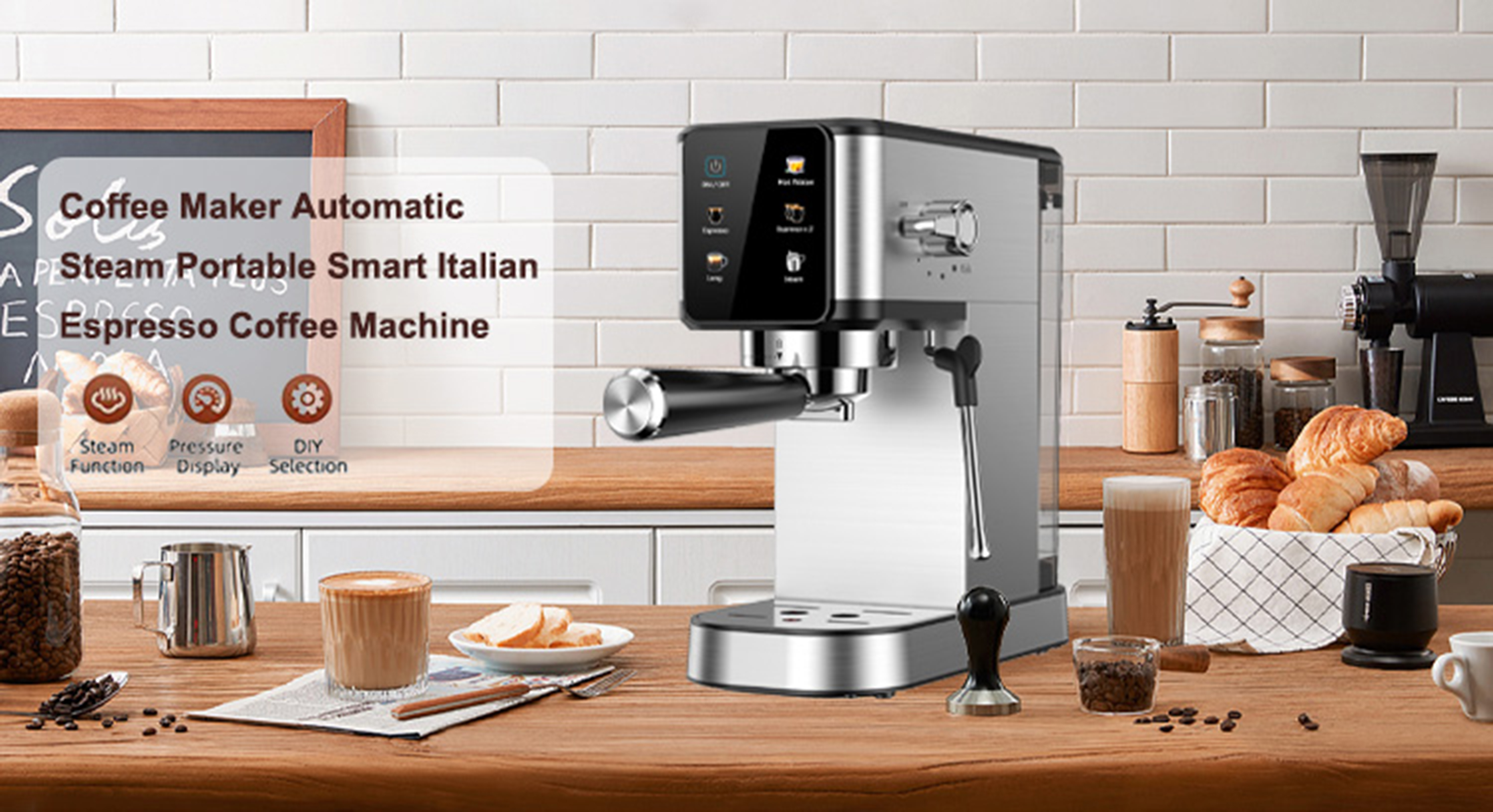
Selecting the right boiler configuration for an espresso machine in commercial coffee service environments requires understanding how different thermal systems impact espresso quality, steaming capability, and operational efficiency. The boiler design fundamentally determines whether your espresso machine can simultaneously brew espresso and steam milk, how quickly temperature recovery occurs between shots, and how consistently you can maintain the precise heat required for specialty coffee extraction. Commercial operators face distinct demands compared to home users, and choosing an espresso machine that matches your workflow directly influences throughput, beverage quality, and staff productivity.
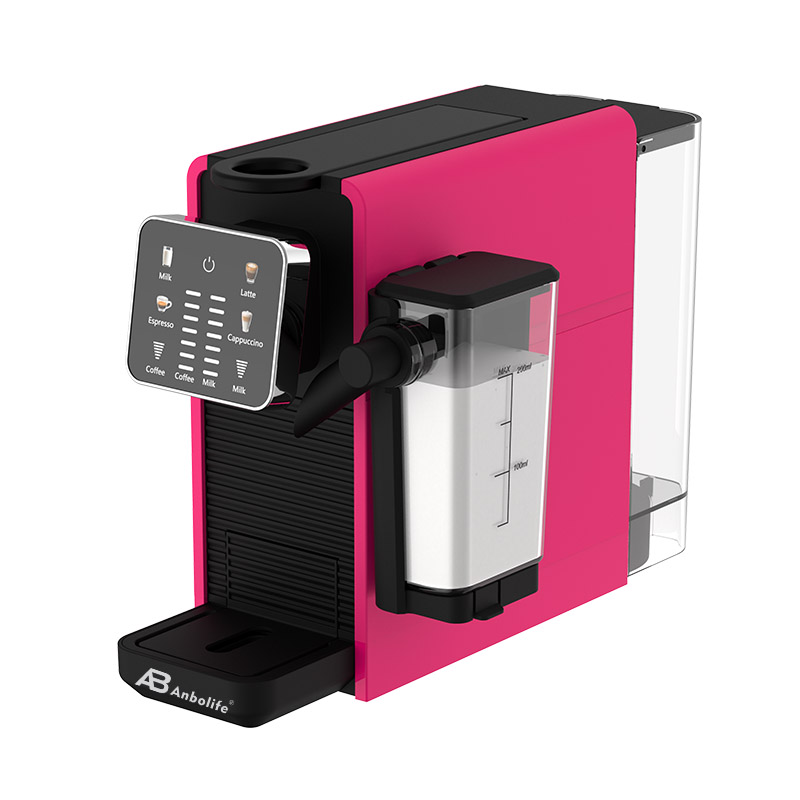
Commercial coffee service demands an espresso machine that balances speed, consistency, and multi-tasking capability. The boiler configuration you choose determines how your espresso machine performs under high-volume conditions, handles simultaneous espresso extraction and milk steaming, and maintains stable water temperature throughout service periods. Understanding the distinctions between single boiler, dual boiler, and heat-exchange espresso machine designs enables you to align equipment selection with your specific service model, customer volume, and quality standards.
Single Boiler Configurations for Espresso Machines
Operational Limitations of Single Boiler Espresso Machine Design
A single boiler espresso machine maintains one thermal vessel for both brewing and steaming functions. This architectural simplicity reduces equipment cost and footprint, making a single boiler espresso machine attractive for compact commercial settings or lower-volume establishments. However, the espresso machine operator must sequentially manage brewing temperature and steaming temperature by switching modes or allowing temperature adjustments between tasks. When you brew espresso in a single boiler espresso machine, water temperature sits around 90–95°C; switching to steam mode requires heating to 120–130°C, which introduces operational delays.
Practical Applications for Limited-Volume Operations
A single boiler espresso machine suits specialty cafés with modest throughput, training facilities, or secondary service stations where simultaneous espresso and steaming demand remains low. For environments where baristas can sequence drinks efficiently—brewing multiple shots before steaming milk—a single boiler espresso machine delivers acceptable performance at lower capital expense. The espresso machine still produces quality extraction when operators understand temperature management nuances and adjust workflow accordingly. This configuration works best when peak orders are distributed enough that you rarely need espresso and steam simultaneously for extended periods.
Dual Boiler Configurations for Espresso Machines
Independent Thermal Control in Dual Boiler Espresso Machine Systems
A dual boiler espresso machine maintains separate thermal vessels—one dedicated to brewing at espresso temperature and another to steaming at steam temperature. This architectural approach eliminates temperature switching delays and enables true simultaneous operation; one barista can brew espresso shots while another steams milk, or a single operator can seamlessly alternate between tasks at different temperature states. The espresso machine with dual boiler configuration maintains consistent brew temperature throughout service because the brew boiler operates independently of steaming demand. For high-volume commercial settings, a dual boiler espresso machine dramatically increases beverage throughput and reduces customer wait times.
Suitability for High-Volume Commercial Environments
Busy specialty coffee shops, restaurant service points, and corporate café operations benefit significantly from dual boiler espresso machine designs. When your espresso machine operates under peak-hour demand with multiple drinks being prepared simultaneously, the dual boiler espresso machine's independent thermal circuits prevent the bottlenecks that plague single boiler systems. Baristas can pull espresso shots and steam milk in parallel without temperature mode switching, maintaining consistent shot quality and steaming performance. The espresso machine's operational reliability and speed directly support revenue generation and customer satisfaction in high-transaction environments. Although dual boiler espresso machine models carry higher acquisition and maintenance costs than single boiler variants, the productivity gains typically justify the investment in commercial settings.
Heat Exchange Configurations for Espresso Machines
Efficient Heat Distribution in Heat Exchange Espresso Machine Design
A heat exchange espresso machine employs one large steam boiler with an internal copper tube circuit through which brewing water flows. This espresso machine design heats incoming water to brewing temperature as it passes through the steam boiler without requiring a separate brew vessel. The espresso machine achieves temperature differentiation through circulation: the heat exchange espresso machine draws water through the internal circuit, extracting brew-temperature water while steam remains available from the primary boiler. This approach balances capital efficiency with simultaneous operation capability—a heat exchange espresso machine offers better multitasking than single boiler designs while costing less than full dual boiler systems.
Optimal Scenarios for Mid-Volume Commercial Service
A heat exchange espresso machine excels in mid-volume commercial environments where throughput demands exceed single boiler capability but capital constraints limit dual boiler adoption. Specialty cafés, boutique hotels, and corporate dining operations often find a heat exchange espresso machine strikes the right balance between performance and economics. The espresso machine design accommodates simultaneous espresso and steaming with minimal operational delay, though careful water management prevents temperature fluctuations during back-to-back high-demand periods. Your espresso machine selection should consider whether the heat exchange configuration's thermal stability meets your service model's real-world demands. Many operators report that a heat exchange espresso machine supports medium-volume service without the complexity or expense of dual boiler alternatives.
Selection Criteria for Commercial Espresso Machine Boiler Configuration
Evaluating Volume, Speed, and Quality Requirements
Determine your peak hourly espresso machine transaction volume by analyzing historical data or projecting customer flow patterns. If your operation expects simultaneous espresso and steaming requests during peak periods, prioritize dual boiler or heat exchange configurations; a single boiler espresso machine will create unacceptable delays. Consider how espresso machine speed impacts customer experience and staff stress—commercial operators often find that faster beverage preparation reduces perceived wait times and improves satisfaction scores. The espresso machine you select must maintain temperature stability and shot consistency across high-volume service; thermal inertia and recovery speed directly affect final beverage quality, particularly in specialty coffee contexts.
Budget, Space, and Maintenance Considerations
Your espresso machine investment must align with available capital, counter space, and long-term maintenance capacity. A single boiler espresso machine requires minimal installation footprint and lower upfront expense, suiting budget-constrained or space-limited settings. Dual boiler espresso machine models demand more counter real estate and higher acquisition costs but reduce operational labor complexity. Consider whether your facility can support espresso machine maintenance requirements; dual boiler and heat exchange configurations involve more complex thermal management and may require specialized servicing. Consult with your espresso machine supplier about local service availability, parts inventory, and technician training before finalizing your boiler configuration choice.
FAQ
Can a single boiler espresso machine handle commercial coffee service volume?
A single boiler espresso machine works for lower-volume or non-specialty commercial settings where espresso and steaming demands rarely overlap simultaneously. In high-volume specialty coffee environments, a single boiler espresso machine creates bottlenecks because operators must wait for temperature mode switching between brewing and steaming. Most commercial operators find that single boiler espresso machine limitations become problematic during peak service hours, leading them to upgrade to dual boiler or heat exchange espresso machine configurations.
What temperature differences occur between boiler configurations in an espresso machine?
Brew temperature in an espresso machine typically ranges from 88–94°C, while steam temperature reaches 120–130°C. A single boiler espresso machine must cycle between these temperatures, causing transition delays. Dual boiler espresso machine systems maintain both temperatures simultaneously in separate vessels, eliminating switching delays. A heat exchange espresso machine uses circulation through a shared steam boiler to achieve temperature differentiation without requiring separate brew chambers.
How does boiler configuration affect espresso machine maintenance costs?
Single boiler espresso machine models typically have lower maintenance expenses due to simpler thermal systems and fewer components. Dual boiler and heat exchange espresso machine designs involve more sophisticated plumbing, additional pressure valves, and more complex descaling procedures, which generally increase maintenance labor and parts costs. However, the productivity gains from dual boiler espresso machine operation often justify higher maintenance investments in commercial environments with sustained volume.


